

For nurses and midwives, the physical demands of the job are relentless. Whether you are assisting in a high-stakes delivery, monitoring a patient’s vital signs, or racing between wards during a busy night shift, your body is constantly in motion. During the holy month of Ramadan, the inability to drink water during daylight hours adds a layer of physical stress that can lead to fatigue, headaches, and decreased concentration. Because the healthcare environment is often dry and warm, maintaining a healthy fluid balance becomes a tactical necessity.
Effective hydration for a fasting healthcare professional isn't just about how much you drink at Iftar; it’s about how your body retains that moisture to sustain you through a 12-hour shift. This guide explores the science of hydration, offering practical, simple strategies tailored to the unique needs of those working on the front lines of medicine.
1. The Science of "Steady-State" Hydration
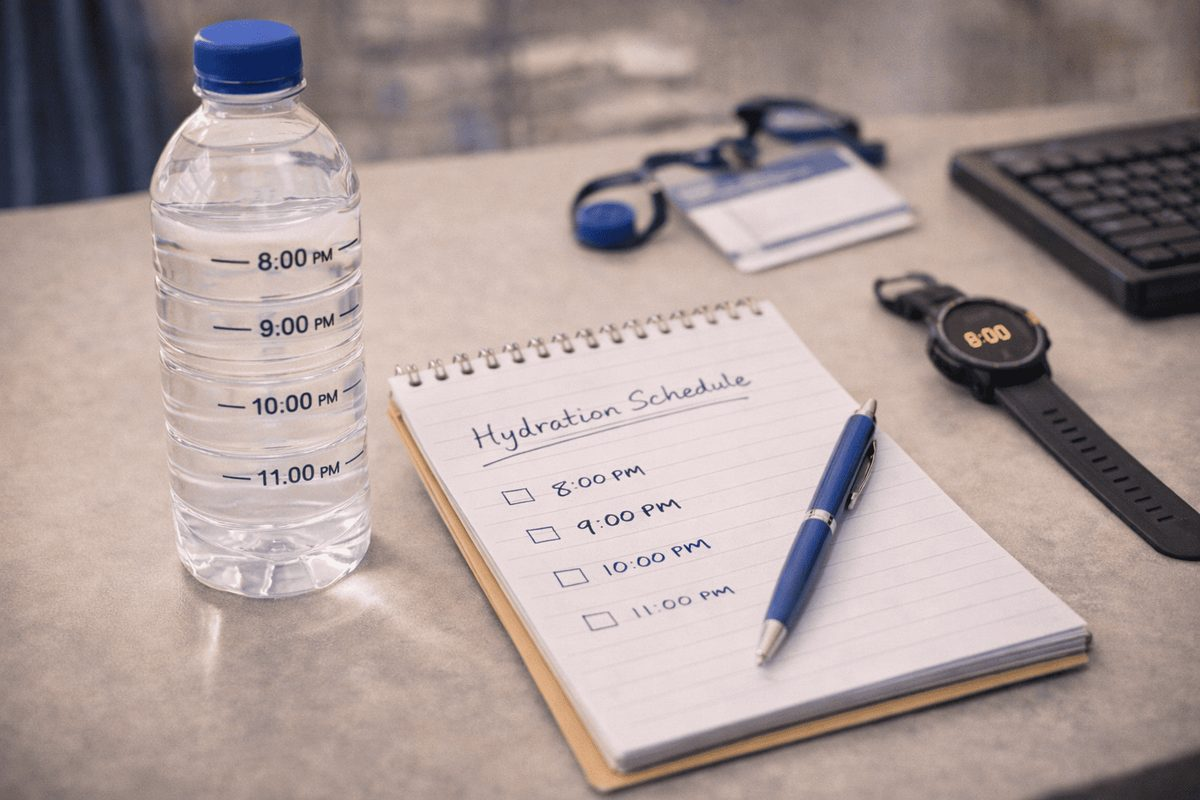
One of the most common mistakes nurses make during Ramadan is "bolus drinking"—the act of consuming massive amounts of water immediately at Iftar or just before the dawn prayer, Suhoor. Scientifically, the human body can only process and absorb a limited amount of water per hour (roughly 200ml to 300ml). When you chug a liter of water in five minutes, your kidneys recognize the sudden volume increase as an excess and work quickly to flush it out through urination. This often leaves you feeling thirsty again just a few hours into your shift.
To stay hydrated, you must aim for "steady-state" hydration. This means sipping water consistently throughout the non-fasting hours. A good rule of thumb is to have a dedicated water bottle and take 3–4 sips every 15 to 20 minutes from sunset until you go to sleep. This slow and steady intake allows your cells to actually absorb the fluid, rather than just passing it through your system. For midwives who may be in a long labor room session, this constant rehydration during your "off" hours ensures that your blood volume stays stable, which is crucial for maintaining your own blood pressure and stamina while you assist mothers in need.
2. Electrolytes: The Secret to Water Retention
Water alone is often not enough to keep a busy nurse hydrated, especially if you are sweating under personal protective equipment (PPE) or moving quickly between patients. Electrolytes—specifically sodium, potassium, and magnesium—are the "magnets" that hold water inside your cells. If you drink plain water without replenishing your electrolytes, you may inadvertently dilute your body’s salt levels, leading to a condition called hyponatremia, which causes confusion and muscle weakness—two things you cannot afford in a clinical setting.
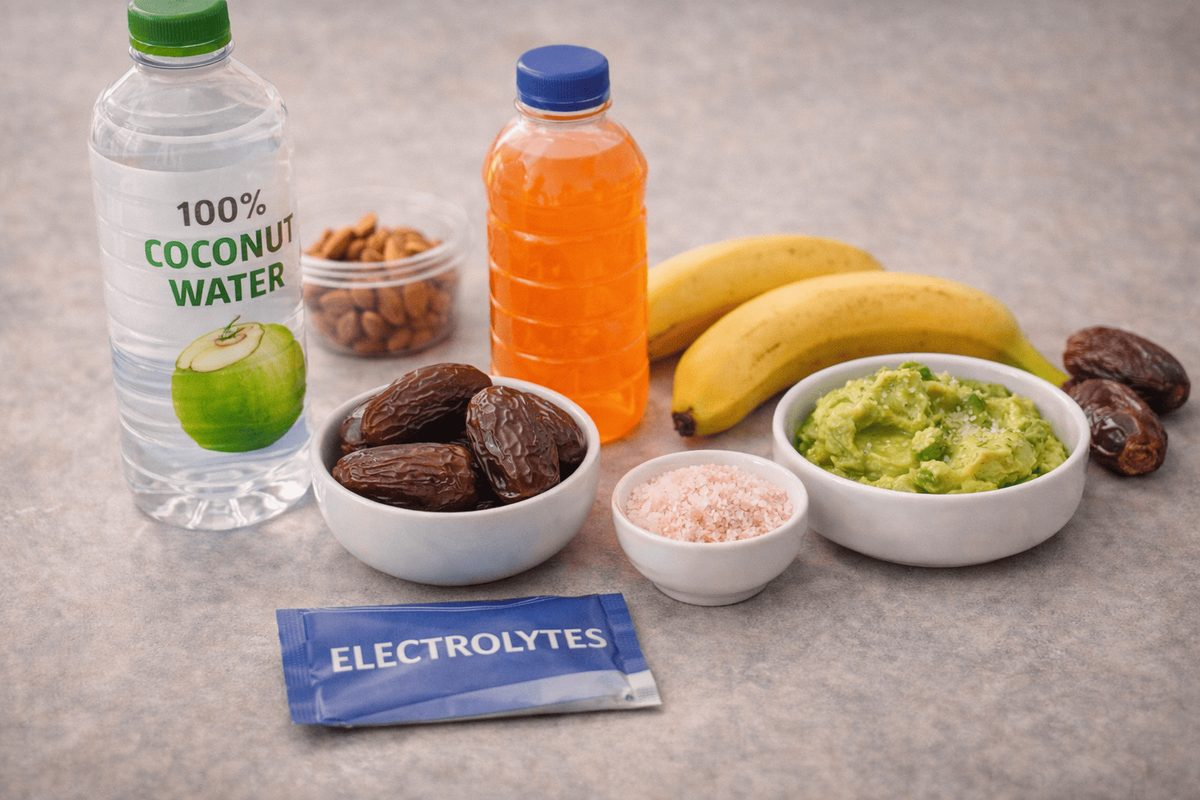
Nurses and midwives should focus on incorporating natural electrolytes into their meals. At Suhoor, consider eating a banana for potassium or adding a small pinch of sea salt to your avocado toast. At Iftar, breaking your fast with dates is excellent because they contain potassium and natural sugars that help transport water into your bloodstream faster. You can also use electrolyte powders or coconut water during the night. These additions help your body "grip" the water you drink, ensuring that the hydration lasts longer into the afternoon when your thirst usually peaks. Avoid highly processed sports drinks that are loaded with refined sugar, as the subsequent "sugar crash" can make you feel more tired.
3. Hydrating Foods: Eating Your Water
A significant portion of our daily hydration actually comes from the food we eat, not just the liquids we drink. For nursing students and healthcare workers who might not have the time to drink as much as they'd like, "eating your water" is a game-changing strategy. Many fruits and vegetables are composed of over 90% water and come packaged with fiber, which slows down the absorption of that water, providing a "slow-release" hydration effect throughout the day.
+1
At Suhoor, prioritize water-rich foods like cucumbers, tomatoes, bell peppers, and oranges. A salad with these ingredients, paired with a protein, acts like a time-release water pill. Watermelon is another fantastic option for Iftar; it contains lycopene and a high water content that helps rehydrate the body almost instantly. Midwives, who often experience long periods without a break, can benefit from eating yogurt at Suhoor. Yogurt is not only hydrating but also contains probiotics and calcium, and its thick consistency means it stays in the stomach longer, releasing its moisture content slowly as it digests. By choosing these foods, you are essentially building a reservoir of hydration that serves you well after the sun comes up.
4. Managing the "Hospital Environment" Factors
Hospitals are notorious for being dehydrating environments. The air is often filtered and climate-controlled to be very dry, which increases "insensible water loss"—the moisture you lose simply by breathing and through your skin. Additionally, the physical exertion of walking several miles during a shift and the stress of patient care can increase your metabolic rate, causing you to use up your water stores faster. Nurses often don't realize they are becoming dehydrated because the air conditioning keeps them from feeling sweaty.

To combat this, nurses and midwives should practice "sensory cooling." While you cannot drink, you can lower your body temperature by washing your face with cool water or wiping your neck with a damp cloth during breaks. This reduces the amount of moisture your body loses trying to stay cool. Furthermore, pay attention to your "caffeine budget." Many healthcare workers rely on coffee to stay awake, but caffeine is a diuretic that encourages fluid loss. If you must have caffeine, try to limit it to one small cup at the beginning of Iftar and ensure you follow it with at least two glasses of water. Avoiding salty "nursing station snacks" like pretzels or chips is also vital, as excess sodium will trigger the thirst mechanism in your brain, making the final hours of your fast much more difficult.
5. Identifying and Acting on Dehydration Red Flags
In a fast-paced medical environment, it is easy to ignore your own bodily signals while focusing on a patient's monitors. However, for a fasting nurse or midwife, self-awareness is a safety requirement. Clinical dehydration can lead to "brain fog," which increases the risk of mistakes in medication dosages or clinical charting. You must be able to recognize the early warning signs of dehydration before they become a medical emergency for yourself.
The first sign of dehydration is often a "tension headache" or a dry, sticky mouth. If you notice your urine is very dark (like the color of apple juice) during the night, it means you didn't drink enough the previous evening. More serious signs include dizziness when standing up (orthostatic hypotension), a rapid heartbeat, or feeling extremely irritable and confused. If you are a midwife in the middle of a delivery and you start to feel lightheaded, you must call for a colleague to step in. In Islam, the "preservation of life" is the highest priority. If your health is at risk to the point where you can no longer safely perform your duties, it is medically and religiously permissible to break your fast. Taking care of yourself is what allows you to continue taking care of your community.
Frequently Asked Questions
Q: How much water should a nurse drink during the night in Ramadan? A: While everyone's needs vary based on body weight and activity level, a general goal for a busy nurse is between 2.5 to 3 liters. However, don't try to drink this all at once. Spread it out from Iftar to Suhoor, aiming for about 250ml (one large glass) every hour you are awake.
Q: Will drinking tea at Suhoor help me stay hydrated? A: Not necessarily. Traditional black or green tea contains caffeine, which can have a mild diuretic effect. If you enjoy a warm drink, try herbal teas like peppermint, ginger, or chamomile. These are caffeine-free and can help soothe your stomach while contributing to your total fluid intake.
Q: Can I use rehydration salts (ORS) even if I'm not sick? A: Yes! Many healthcare workers use Oral Rehydration Salts (ORS) or electrolyte tablets during Ramadan to help their bodies retain water. These are especially helpful if you are working a high-intensity shift where you are moving a lot or wearing heavy protective gear.
Q: Is it better to drink cold or room-temperature water? A: Room-temperature water is actually absorbed by the body slightly faster than ice-cold water. While cold water might feel more refreshing after a long day, room-temperature water is gentler on the stomach, especially when you are breaking your fast after many hours.
Q: How can I prevent the "thirst" feeling during my 12-hour shift? A: The best way to prevent thirst is to limit salt and sugar at Suhoor. High sugar levels can cause a "thirst response" as the body tries to dilute the glucose in your blood. Stick to high-fiber, high-protein meals and stay in cool areas of the hospital whenever possible.
Hydration Log template
This Ramadan Hydration & Energy Log is designed specifically for the hectic schedule of a nurse or midwife. Since your shifts are unpredictable, this log focuses on milestones rather than strict hourly times, helping you ensure you’ve hit your physical "safety markers" before the sun rises.