

Australia’s healthcare sector is a dynamic, resilient, and rapidly expanding industry. Driven by an ageing population, technological advancement, a heightened focus on preventative care, and significant government funding through systems like Medicare and the NDIS, it presents a fertile ground for entrepreneurs. The sector is moving beyond traditional hospitals and GP clinics into a world of niche services, technological innovation, and personalised care.
This guide delves into a comprehensive array of healthcare business ideas tailored for the Australian market. We will explore not just the “what,” but the “why” and “how,” examining the market drivers, regulatory considerations, and growth potential for each concept. Whether you are a healthcare professional looking to branch out on your own, an investor seeking a promising opportunity, or a tech innovator with a solution, this article provides the roadmap.
The Australian Healthcare Landscape – Why It’s Ripe for Opportunity
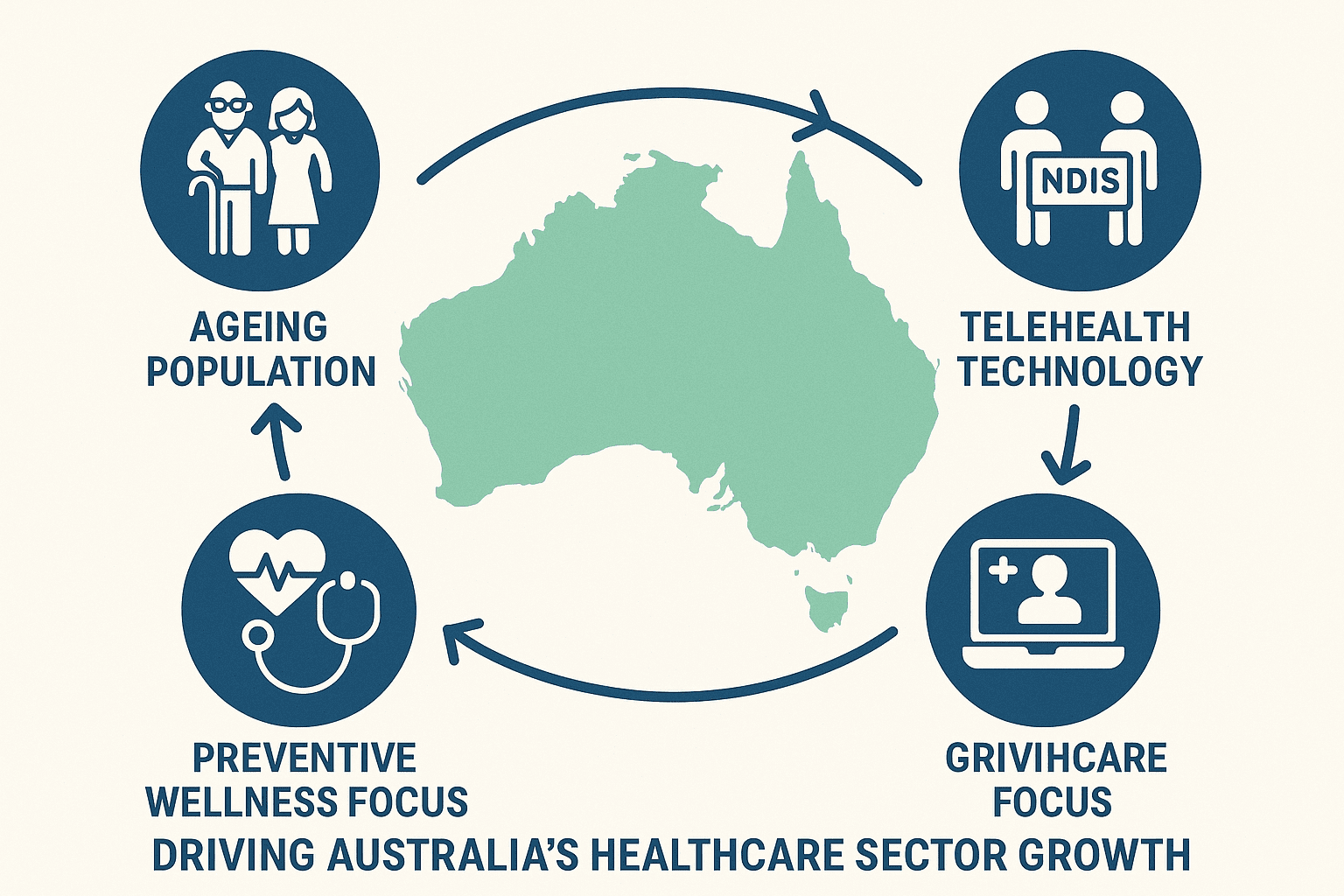
Before diving into specific ideas, it’s crucial to understand the powerful macro-trends shaping the industry:
- Demographic Shift: Australia’s population is steadily ageing. By 2066, it’s projected that around 22% of the population will be over 65. This demographic drives immense demand for aged care, chronic disease management, mobility solutions, and home-based support services.
- The National Disability Insurance Scheme (NDIS): This revolutionary scheme provides funding directly to over 500,000 Australians with disabilities. It has created a consumer-driven market where participants choose their providers, sparking a boom for businesses that offer allied health, support coordination, and innovative community participation services.
- Technology Integration (HealthTech): From telehealth consultations to AI-powered diagnostics and wearable health monitors, technology is transforming care delivery. The COVID-19 pandemic accelerated the adoption of digital health solutions, a trend that is here to stay.
- Focus on Prevention and Wellness: There is a growing cultural shift from reactive sick-care to proactive health-care. Consumers are increasingly investing in fitness, nutrition, mental wellbeing, and complementary therapies to maintain their health and prevent illness.
- Workforce Pressures: Shortages in certain healthcare professions and burnout among staff create opportunities for businesses that can improve efficiency, automate administrative tasks, and provide support services to both clinicians and patients.
Allied Health and Clinical Service Businesses
This category represents core, often essential, medical services that are in constant demand. Many of these can be started as solo practices and scaled into larger clinics.
1. Mobile Allied Health Services:
The convenience of receiving care at home is a massive selling point, especially for the elderly, those with disabilities, and busy families.
- The Idea: Provide mobile services such as Physiotherapy, Occupational Therapy, Dietetics, Speech Pathology, or Exercise Physiology. You travel to the client’s home, aged care facility, or workplace.
- Target Market: NDIS participants, Home Care Package recipients, post-operative patients, corporate clients for ergonomic assessments.
- Why It Works: It removes transportation barriers for clients and taps into the enormous funding pools of the NDIS and aged care system. Overhead is low (no clinic rent), but travel time must be managed efficiently.
- Key Requirements: Relevant university degree, registration with the respective national board (AHPRA for physios, OTs, etc.), professional indemnity insurance, a reliable vehicle, and NDIS registration (highly recommended).
2. Specialist Mental Health Practice:
Mental health awareness and demand for services have never been higher.
- The Idea: Establish a practice focused on a specific niche within mental health. This could be a psychology practice specialising in anxiety disorders, trauma (e.g., for first responders), child and adolescent psychology, or corporate wellbeing programs.
- Target Market: Individuals seeking mental health support, employees through EAP programs, corporate clients for wellness workshops.
- Why It Works: Medicare provides rebates for psychological services through Mental Health Treatment Plans, making it accessible. There is also growing destigmatisation and willingness to seek help.
- Key Requirements: General registration as a Psychologist with AHPRA, or accreditation as a Mental Health Social Worker or Counsellor (check specific requirements). Medicare provider number is essential.
3. Niche Dental Practice:
While general dentistry is competitive, niche services can be highly profitable.
- The Idea: Focus on a high-demand specialty such as Orthodontics (especially clear aligners), Paediatric Dentistry, Dental Implants, or Cosmetic Dentistry.
- Target Market: Families, adults seeking cosmetic improvements, patients requiring specialised procedures.
- Why It Works: Cosmetic and specialised procedures are often not covered by general dental insurance, meaning they are private pay and can command higher fees.
- Key Requirements: Specialised dental qualifications, registration with the Dental Board of Australia (AHPRA), a well-equipped clinic, and significant upfront investment.
4. Podiatry and Mobile Foot Care:
Foot care is essential for diabetic patients and the elderly, preventing serious complications like ulcers and amputations.
- The Idea: A clinic-based or mobile podiatry service. A mobile service can visit nursing homes, hostels, and private homes, performing essential foot checks, nail care, and diabetic foot assessments.
- Target Market: Diabetic patients, the elderly, athletes, NDIS participants.
- Why It Works: Strong demand from a vulnerable population with clear clinical needs. Funded by Medicare (Chronic Disease Management plans), NDIS, and private pay.
- Key Requirements: Bachelor of Podiatry, registration with AHPRA.
Technology-Driven HealthTech Businesses

This is where innovation meets healthcare, offering scalable and potentially disruptive business models.
5. Telehealth and Virtual Care Platform:
Telehealth is no longer a temporary solution but a core part of the healthcare ecosystem.
- The Idea: Develop a specialised telehealth platform. Instead of a generic video call service, focus on a niche: a platform built specifically for mental health therapists with integrated outcome measures, one for dietitians with food diary sharing, or for physios with exercise demonstration tools.
- Target Market: Allied health professionals, psychologists, GPs.
- Why It Works: It improves access to care and practice efficiency. You can monetise through a subscription-based Software-as-a-Service (SaaS) model.
- Key Requirements: Software development expertise, understanding of healthcare workflows, strict compliance with Australian privacy laws.
6. Healthcare Practice Management Software:
Clinics spend significant time and money on administration.
- The Idea: Develop or resell practice management software that handles booking, billing (including integrated Medicare and NDIS claiming), electronic health records (EHR), patient reminders, and reporting. A niche could be software specifically tailored for NDIS providers.
- Target Market: Allied health practices, small to medium medical clinics.
- Why It Works: Recurring revenue model and high customer retention once a practice is using your system. The complexity of NDIS billing creates a specific pain point to solve.
- Key Requirements: Deep industry knowledge, software development, excellent customer support.
7. Medical Device or Aid e-Commerce Store:
Selling medical equipment directly to consumers online.
- The Idea: An online store specialising in a specific category of aids, such as high-quality compression garments, diabetes management supplies, mobility aids (walkers, canes), or rehabilitation equipment.
- Target Market: Patients, carers, allied health professionals sourcing equipment for their clients.
- Why It Works: Convenience and often better pricing than traditional pharmacies. Can be run from a warehouse with low overhead.
- Key Requirements: Understanding of TGA regulations for medical devices, reliable suppliers, a user-friendly e-commerce website, and a logistics plan.
Preventative, Wellness, and Support Businesses
This sector caters to the growing demand for holistic health and lifestyle management.
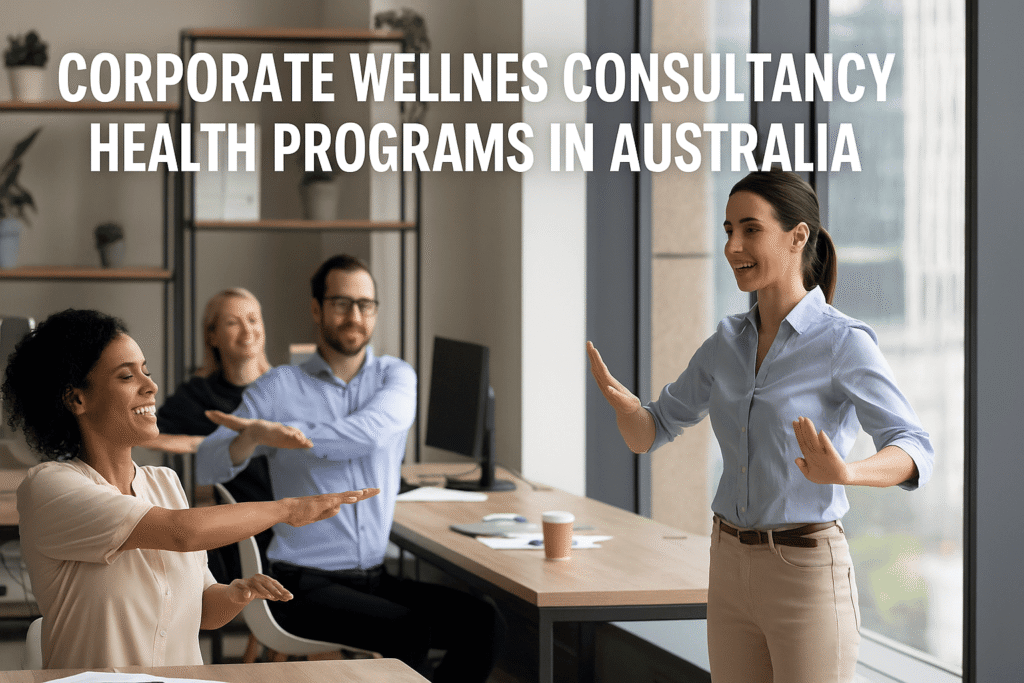
8. Corporate Wellness Consultancy:
Companies are investing in employee wellbeing to boost productivity, retention, and morale.
- The Idea: A consultancy that designs and delivers corporate wellness programs. Services can include onsite health screenings, ergonomic assessments, mental health first aid training, mindfulness workshops, and nutrition seminars.
- Target Market: Medium to large businesses, government departments.
- Why It Works: Direct B2B sales model with package deals. Can be delivered by a sole proprietor who subcontracts other experts (dietitians, psychologists) as needed.
- Key Requirements: Credentials in health, fitness, or occupational health & safety. Strong sales and presentation skills to pitch to corporate decision-makers.
9. Accredited Exercise Physiology Clinic:
Exercise is a powerful medicine for chronic disease management.
- The Idea: A clinic where Accredited Exercise Physiologists (AEPs) develop individualised exercise programs for people with conditions like cancer, cardiovascular disease, diabetes, and osteoporosis.
- Target Market: Patients referred by GPs under Medicare plans, NDIS participants, workers’ compensation cases.
- Why It Works: Strong referral pathways from doctors and is rebatable under Medicare, making it accessible to clients.
- Key Requirements: University degree in Exercise Physiology and accreditation with ESSA.
10. Specialised Meal Delivery Service:
Move beyond generic diet meals to medically-tailored options.
- The Idea: A meal prep and delivery service focused on specific therapeutic diets: low FODMAP for IBS, soft foods for dysphagia, pureed meals for elderly clients, nutritionally dense meals for cancer patients, or culturally specific options.
- Target Market: Elderly individuals, patients discharged from hospital, busy families with specific health needs, NDIS participants.
- Why It Works: Solves a real problem for people who struggle to cook appropriate meals for their medical condition. Can be funded through Home Care Packages or NDIS.
- Key Requirements: Commercial kitchen (can be rented), consultation with a dietitian for menu planning, food safety certifications, logistics and delivery system.
11. NDIS Support Coordination Business:
The NDIS can be incredibly complex to navigate. Support Coordinators are funded to help participants understand and use their plans.
- The Idea: A business solely focused on providing Support Coordination. You help NDIS participants find service providers, manage their budgets, negotiate supports, and build their skills to navigate the scheme.
- Target Market: NDIS participants.
- Why It Works: This is a funded service within many NDIS plans. It requires low physical overhead as it’s primarily a knowledge-based, coordination role.
- Key Requirements: NDIS registration, deep understanding of the NDIS, strong networks with other providers, excellent communication and advocacy skills. No specific clinical degree is mandatory, but experience in disability, social work, or allied health is highly valuable.
Home and Community Care Businesses
This sector is exploding due to the ageing population and the NDIS.
12. Private In-Home Nursing and Care:
As discussed in the previous article, this is a prime opportunity for clinicians.
- The Idea: A business providing skilled nursing care (wound care, catheter care, medication management) and/or personal care (showering, dressing, domestic assistance) in the client’s home.
- Target Market: Elderly clients on Home Care Packages, post-operative patients, NDIS participants with complex needs.
- Why It Works: Huge demand to enable people to age and receive care in place. Funded by government schemes.
- Key Requirements: RN or EN registration with AHPRA, police checks, first aid, NDIS and aged care provider registration. Comprehensive insurance is critical.
13. Social Support and Community Access:
This NDIS-funded service is about improving quality of life and community participation.
- The Idea: A service that supports NDIS participants to engage in community activities. This could involve small group outings (e.g., going to the movies, bowling, art classes) or one-on-one support to build social skills and access community facilities.
- Target Market: NDIS participants, particularly those with psychosocial or intellectual disabilities.
- Why It Works: Focuses on community inclusion, a key goal of the NDIS. Can be a very rewarding business that builds a strong community reputation.
- Key Requirements: NDIS registration, passion for community inclusion, strong risk management skills for community outings, reliable and appropriately insured vehicles.
Essential Steps to Launching Your Healthcare Business
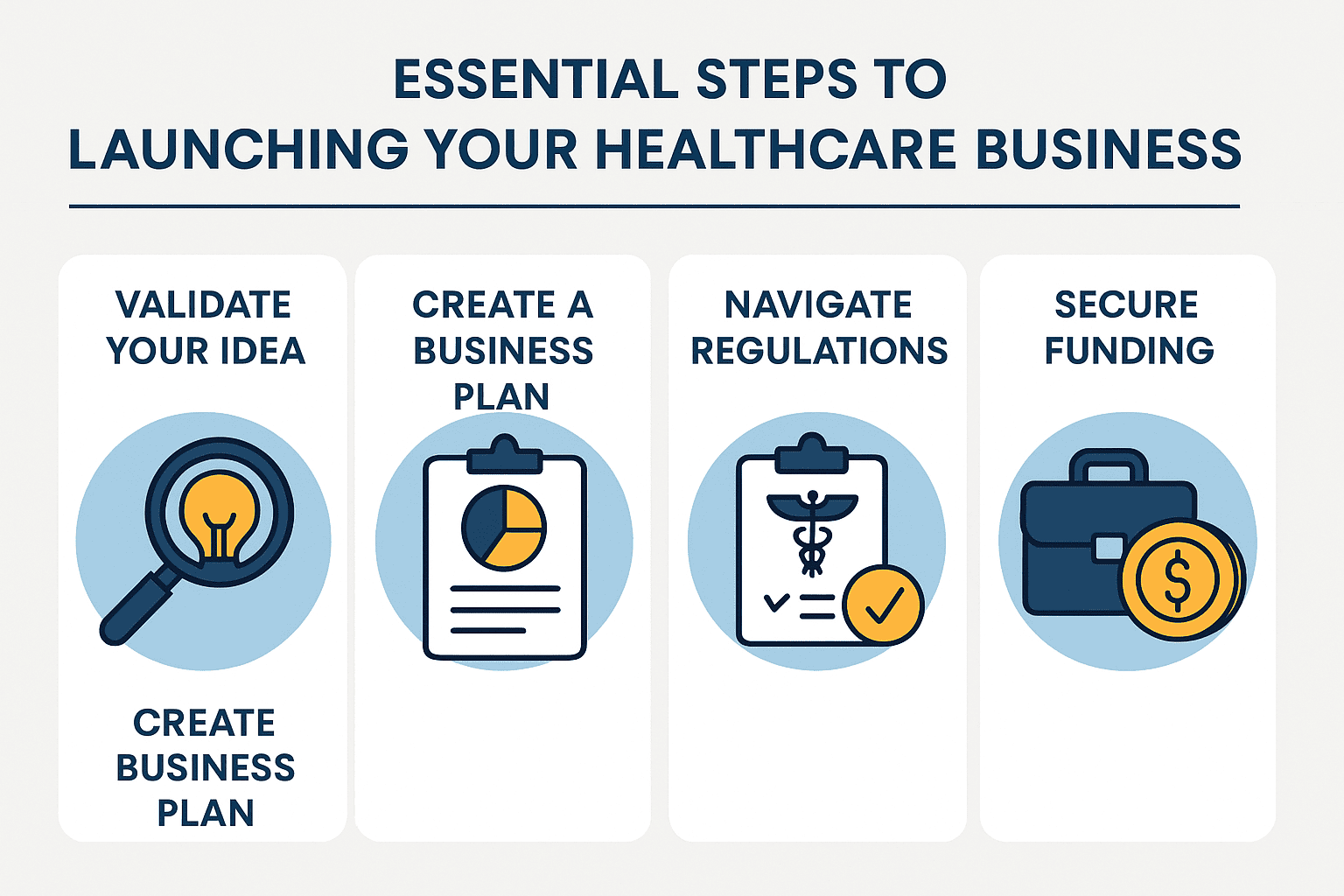
- Validate Your Idea: Before investing, conduct market research. Are there enough potential clients? Who are your competitors? What will make you different?
- Create a Business Plan: Outline your mission, services, target market, marketing strategy, financial projections, and operational plan. This is essential for securing funding and staying on track.
- Navigate Regulations: This is critical in healthcare.
- Registrations: Register your business name and structure (Sole Trader, Partnership, Company).
- Professional Registration: Ensure all clinical staff are registered with AHPRA or their relevant accrediting body (e.g., ESSA for exercise physiologists).
- Provider Numbers: Apply for a Medicare Provider Number if providing services eligible for rebates.
- NDIS & Aged Care Registration: If targeting these markets, begin the application process, which can be lengthy and rigorous.
- Insurance: Secure Professional Indemnity and Public Liability insurance at a minimum.
- Privacy: Ensure your practices comply with the Australian Privacy Principles (APPs).
- Secure Funding: Calculate your startup costs (equipment, software, marketing, legal fees, initial wages). Explore self-funding, business loans, or potential grants for healthcare innovation.
- Develop Your Brand and Market: Create a professional brand identity (logo, website) that conveys trust and expertise. Network with GPs, hospitals, and other referral sources. Utilise digital marketing and build a strong online presence.
Conclusion: Building a Business That Heals and Profits
The Australian healthcare sector offers a unique convergence of purpose and profit. The business ideas outlined here range from low-tech, high-touch care services to cutting-edge technological solutions. The common thread is the opportunity to build a sustainable, impactful enterprise that addresses genuine needs in the community.
Success in this field hinges not just on business savvy, but on an unwavering commitment to quality, ethics, and compassion. By carefully selecting a niche you are passionate about, meticulously planning your approach, and adhering to the stringent regulatory framework, you can create a healthcare business that not only thrives financially but also makes a profound difference in the lives of Australians. The need is there; the market is ready. The question is, which problem will you solve?
Disclaimer:
“I researched this information on the internet; please use it as a guide and also reach out to a professional for assistance and advice.
This information is not medical advice, so seek your medical professional’s assistance.”