
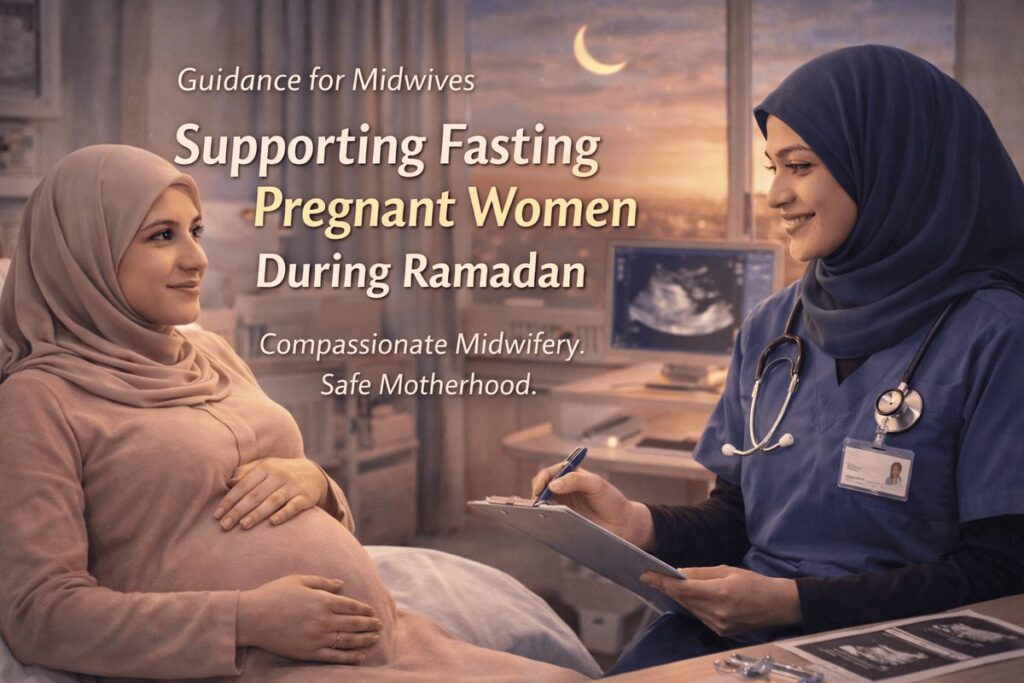
For midwives and midwifery students, providing care during Ramadan requires a delicate balance of clinical expertise, ethical sensitivity, and cultural humility. Pregnancy is a time of immense physiological change, and when a woman chooses to fast, it adds a layer of complexity to maternal and fetal monitoring. While Islamic law provides a clear exemption for pregnant women if they fear for their health or the health of their baby, many women still choose to fast due to a deep spiritual connection to the month or a desire to participate in communal worship.
The role of the midwife is not to dictate whether a woman should fast, but to provide a "safety net" of evidence-based guidance. You are the primary educator who helps the mother understand how fasting affects her body’s chemistry and her baby’s development. By offering non-judgmental support, you can ensure that the mother feels empowered to make the best decision for her specific circumstances. This article serves as a comprehensive guide for midwives to navigate these consultations, monitor for risks, and provide nutritional strategies that prioritize a healthy pregnancy outcome.
1. The Physiology of Fasting in Pregnancy

Understanding the biological shifts that occur during a fast is the first step in providing expert midwifery guidance. During pregnancy, the woman’s body is in a state of "accelerated starvation." This means that when she stops eating, her blood glucose levels drop much faster than they would if she were not pregnant. To compensate, her body begins to break down fat stores more quickly, leading to the production of ketones. While small amounts of ketones are normal, high levels can cross the placenta and potentially affect fetal development.
Midwives must explain to mothers that the baby requires a continuous supply of glucose and nutrients via the umbilical cord. When a mother fasts for 14 or 16 hours, the baby relies entirely on the mother’s internal reserves. For a healthy woman with a normal BMI, the body is usually efficient at this. However, for women with pre-existing conditions like gestational diabetes or anemia, this metabolic stress can be significant. Midwives should monitor fetal growth and maternal weight gain more closely during this month, ensuring that the "fasting gap" isn't leading to maternal exhaustion or a decrease in fetal movement.
2. Conducting a Clinical Risk Stratification
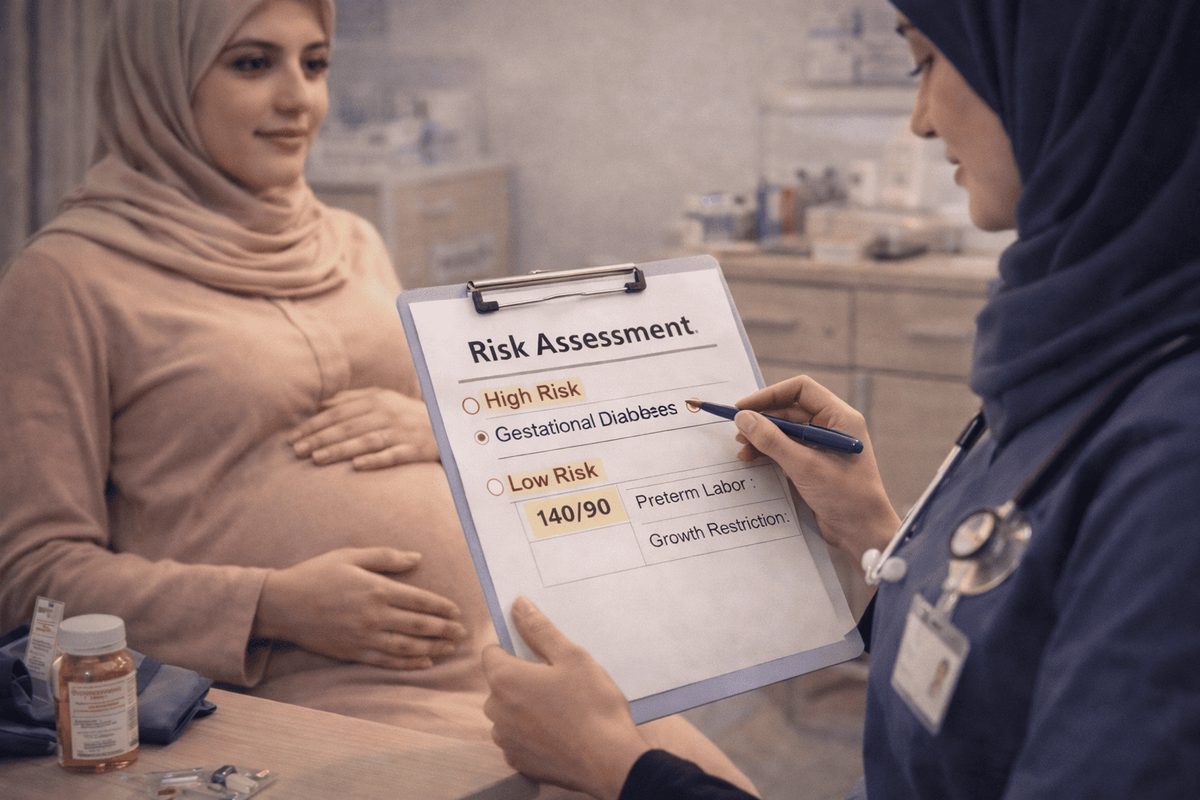
Not all pregnancies are the same, and therefore, the "risk" of fasting is not the same for every woman. Midwives should use a "Risk Stratification" approach during their prenatal appointments. This involves categorizing women based on their medical history and current pregnancy status. A woman in her first trimester who is struggling with Hyperemesis Gravidarum (severe morning sickness) is at a much higher risk of dehydration and electrolyte imbalance than a healthy woman in her second trimester.
Midwives should specifically look for "High-Risk" markers, such as a history of preterm labor, low amniotic fluid levels, or intrauterine growth restriction (IUGR). In these cases, the midwife must clearly explain the medical risks of fasting. Conversely, for a "Low-Risk" woman, the midwife can provide a supportive framework, teaching her how to fast safely while emphasizing that the fast must be broken if certain symptoms appear. By individualizing the care plan, the midwife respects the woman's autonomy while fulfilling the professional duty of "Do No Harm."
3. Monitoring Fetal Wellbeing and "Red Flags"
A core part of midwifery education during Ramadan is teaching the mother how to monitor her baby at home. The most important indicator of fetal wellbeing is fetal movement. Midwives should instruct mothers to perform "Kick Counts" during the day, especially in the late afternoon when maternal glucose is at its lowest. If the mother notices a significant decrease in the baby’s movements, she must break her fast immediately and contact the maternity unit.
In addition to fetal movement, the midwife must educate the mother on "Maternal Red Flags." These include severe headaches (a sign of dehydration or high blood pressure), blurred vision, extreme dizziness, or a decrease in urine output. Midwives should explain that these are not just "fasting discomforts" but clinical signs that the body is struggling to maintain its physiological balance. Providing a written "Safety Checklist" helps the mother feel confident in recognizing when her spiritual goals must take a backseat to medical necessity. Documenting these education sessions is vital for the midwifery team to ensure continuity of care.
4. Nutritional Counseling: The "Nutrient-Dense" Window
When a pregnant woman fasts, the quality of the food she eats between Iftar (sunset) and Suhoor (dawn) is of paramount importance. She has a limited window of time to consume the 2,500 to 2,700 calories required for a healthy pregnancy. Midwives should act as nutritional coaches, steering mothers away from the high-sugar, deep-fried foods often served at Iftar gatherings, which provide "empty calories" and lead to energy crashes.
The midwife’s advice should focus on Protein and Hydration. Protein is essential for the baby's brain and organ development. Mothers should be encouraged to eat lean meats, beans, eggs, and Greek yogurt. For hydration, the midwife should suggest "Water-Loading" during the night—drinking 2 to 3 liters of water in small, frequent sips. Avoiding high-sodium foods at Suhoor is also a key tip, as excess salt will make the mother much more thirsty during the long daylight hours. By optimizing the non-fasting window, the midwife helps the mother maintain her energy and provides the baby with the building blocks needed for growth.
+1
5. Supporting the Decision: Cultural and Spiritual Sensitivity
Perhaps the most important aspect of midwifery guidance is the emotional support provided to the mother. Deciding whether or not to fast while pregnant can be an intensely emotional experience. Some women feel a sense of "failure" if they cannot fast, while others face pressure from family members. A midwife who provides culturally sensitive care understands that the decision is influenced by more than just medical facts; it is influenced by faith, community, and identity.
Midwives should use supportive language that validates the mother’s struggle. Reminding the mother that Islamic law views the health of the mother and child as a priority can offer immense relief. If a mother decides not to fast, the midwife can help her find alternative ways to connect with the month, such as focusing on charity or extra supplications. If she does fast, the midwife becomes her "clinical partner," monitoring her journey with kindness. This relationship of trust ensures that if a problem does arise, the mother will feel safe coming to the midwife for help without fear of being judged for her choice.
Frequently Asked Questions
Q: Does fasting during pregnancy cause low birth weight? A: Research on this is mixed. Some studies show no difference, while others suggest a slight increase in the risk of low birth weight if fasting occurs during the second or third trimester. Midwives monitor fetal growth (using fundal height and scans) to ensure the baby is meeting its milestones.
Q: Can a pregnant woman take her prenatal vitamins while fasting? A: Yes! Midwives strongly recommend taking prenatal vitamins (especially iron and folic acid) during the non-fasting hours. It is best to take them with a meal at Iftar or Suhoor to avoid stomach upset and ensure maximum absorption.
Q: What is the most common reason a midwife tells a pregnant woman to stop fasting? A: Dehydration is the most frequent clinical concern. Symptoms like dark urine, fainting, or severe headaches are signs that the mother’s fluid levels are too low, which can reduce the amount of amniotic fluid around the baby.
Q: Is it safe to fast in the first trimester if I have morning sickness? A: Midwives usually advise against fasting if you are experiencing frequent vomiting. Nausea and vomiting lead to rapid dehydration and electrolyte loss, which can be dangerous for both the mother and the early development of the embryo.
Q: How can I tell if I am dehydrated while fasting? A: Look at your urine color. If it is dark yellow or amber, you are dehydrated. Other signs include a very dry mouth, feeling lightheaded when you stand up, and a fast heartbeat. If you experience these, the midwife's advice is to break the fast with water immediately.