
The question of whether to fast during Ramadan while pregnant or breastfeeding is one of the most deeply personal and complex decisions a Muslim woman may face. On one hand, there is the spiritual desire to participate in a month of immense blessing and community. On the other, there is the biological responsibility to nourish a growing life or a nursing infant. Midwives play a central role in this journey, acting as a bridge between religious tradition and medical safety.
This article provides a detailed look at the health implications of fasting during these life stages, offering guidance that respects both the sanctity of the fast and the priority of maternal and infant health. By understanding the physiological changes that occur during fasting, mothers can make informed choices that align with their faith and their physical needs.
1. Understanding the Religious Exemptions and Medical Priorities
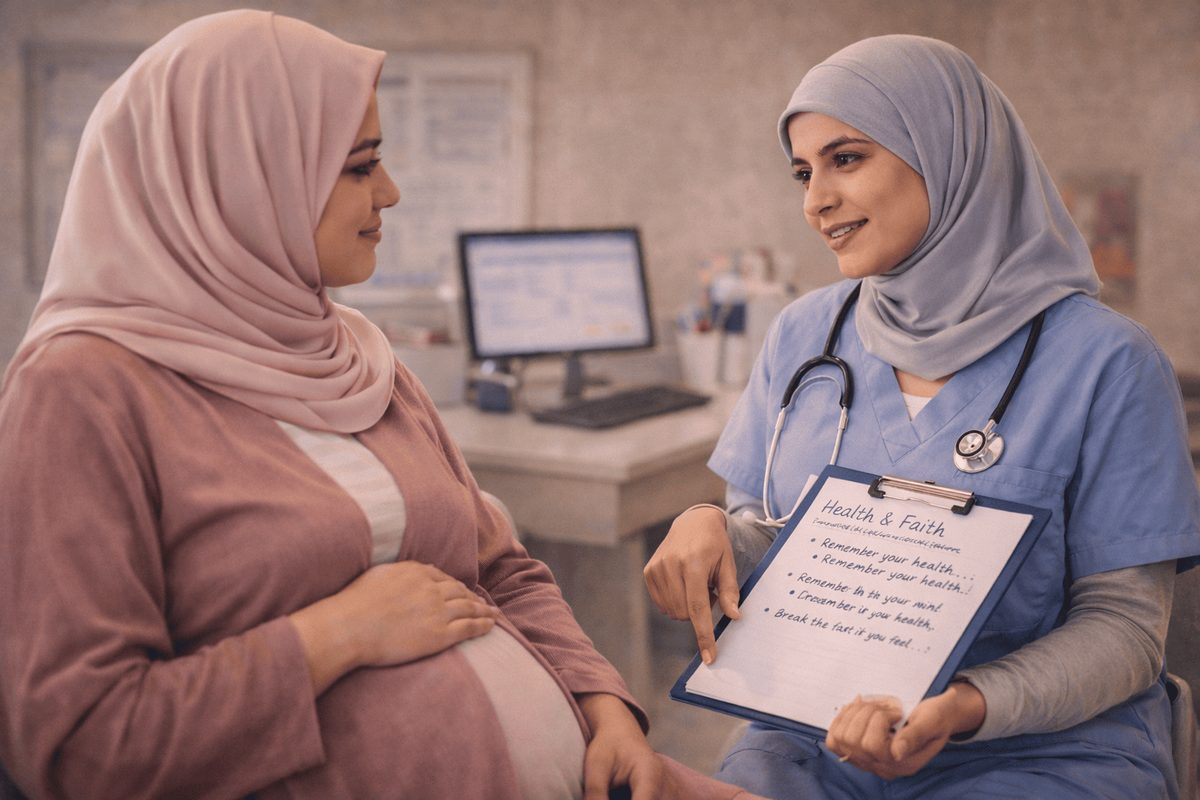
In Islamic law, the preservation of life and health takes precedence over almost all other obligations. This principle, known as Maqasid al-Shari’ah, explicitly provides exemptions for those for whom fasting would pose a risk. Pregnant and breastfeeding women are categorized alongside the sick and travelers as people who are permitted to break their fast if they fear for their own well-being or the safety of their child. Midwives often begin their consultations by reminding mothers that choosing not to fast is not a sign of weak faith, but rather an act of obedience to the divine permission granted for their protection.
+1
From a clinical perspective, pregnancy and lactation are high-metabolic states. A pregnant woman’s body is working overtime to build organs, tissues, and a placenta, while a breastfeeding mother is producing a complex fluid that serves as the sole source of nutrition for her baby. If fasting leads to severe dehydration or ketosis (when the body burns fat for fuel due to a lack of glucose), it can cause complications. Midwives encourage mothers to consult with both their healthcare provider and a trusted religious scholar to understand that the "debt" of the fast can usually be made up later or settled through Fidya (charitable feeding of the poor), depending on the specific school of thought followed.
2. Physical Risks: Dehydration and Blood Sugar Fluctuations
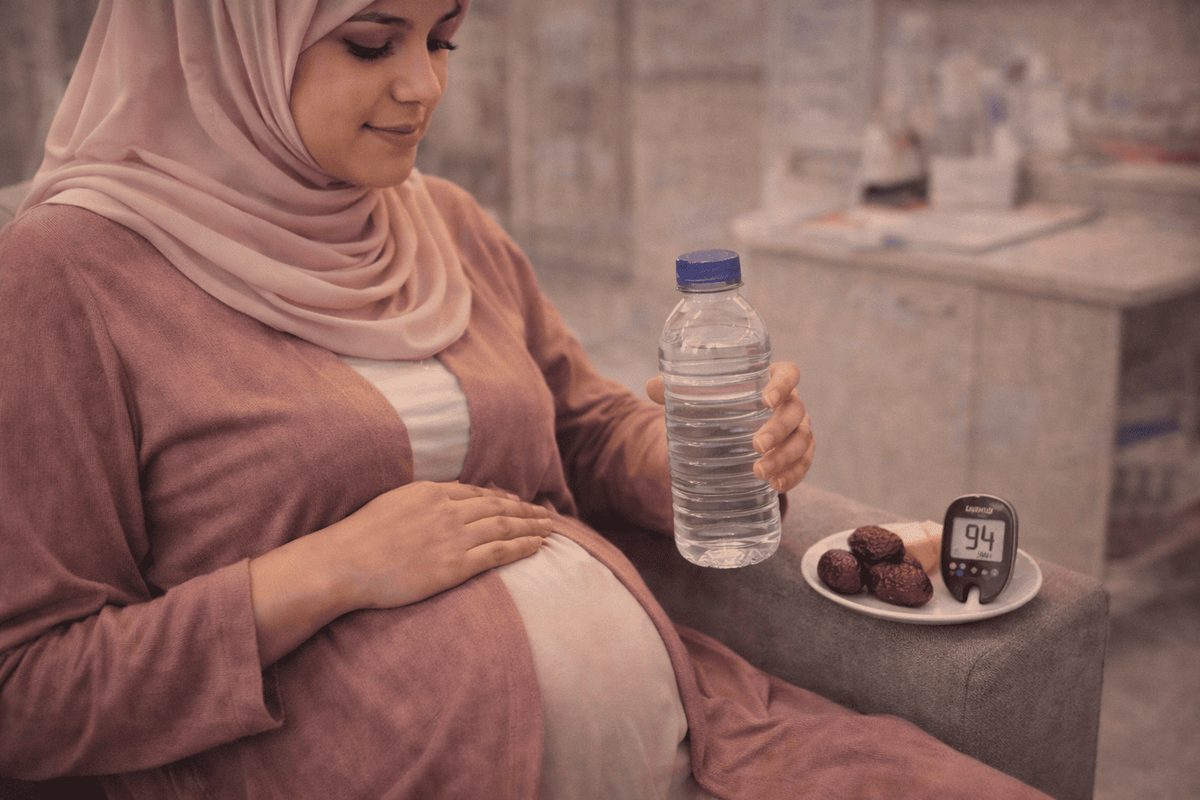
The primary concern midwives have during Ramadan is the risk of dehydration, especially in warmer climates or during long summer days. In pregnancy, blood volume increases by nearly 50%, and maintaining this volume requires a steady intake of fluids. Dehydration can lead to a decrease in amniotic fluid levels, which are essential for protecting the baby and allowing for lung development. Furthermore, severe dehydration can trigger premature contractions or "false labor" (Braxton Hicks), which can be distressing for the mother and may require medical intervention.
Blood sugar management is the second major hurdle. When a mother fasts, her blood glucose levels drop. For most healthy adults, the liver releases stored glucose to compensate. However, in pregnancy, the baby is constantly drawing glucose from the mother's bloodstream. This can lead to hypoglycemia, characterized by shakiness, cold sweats, and fainting spells. Midwives monitor these levels closely, as frequent drops in blood sugar can leave a mother exhausted and unable to perform daily tasks. For breastfeeding mothers, low blood sugar can sometimes lead to a temporary dip in energy, making it difficult to keep up with the physical demands of caring for a newborn.
3. Monitoring Fetal Growth and Infant Hydration
When a pregnant mother fasts, the midwife’s priority is ensuring the baby continues to hit growth milestones. Most studies suggest that if a mother is healthy and well-nourished during non-fasting hours, short-term fasting does not significantly impact birth weight. However, every body reacts differently. Midwives teach mothers how to monitor "fetal kick counts." A baby who is receiving less energy may become less active. If a mother notices a significant decrease in movement, the midwife will advise breaking the fast immediately and coming in for a check-up to monitor the baby's heart rate and fluid levels.
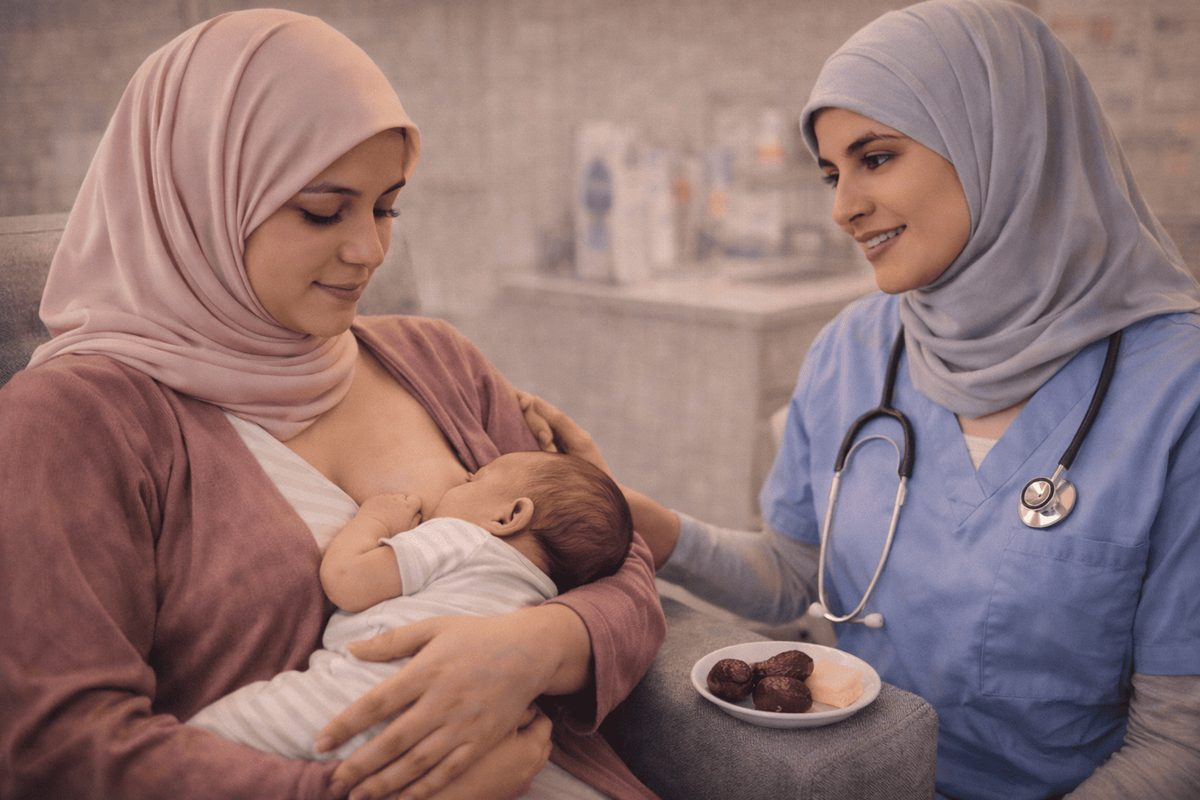
For breastfeeding mothers, the concern shifts to the infant's hydration and weight gain. While the quality of breast milk (the vitamins and minerals) usually remains stable even during fasting, the quantity (volume) can decrease if the mother is dehydrated. A midwife will guide the mother on how to observe her baby: Is the baby producing at least 6 to 8 heavy wet diapers a day? Is the baby settled and happy after a feed, or are they unusually fussy and pulling at the breast? If the infant shows signs of dehydration—such as a sunken soft spot (fontanelle) or dark urine—the midwife will recommend that the mother stop fasting to ensure her milk supply remains robust and the baby stays hydrated.
4. Nutritional Strategies for Mothers Who Choose to Fast
For women who are medically cleared and choose to fast, the strategy must be "quality over quantity." Midwives emphasize that the window between Iftar and Suhoor is not a time for "junk food" or heavy sweets, but a time for high-density nutrition. The goal is to provide the body with enough raw materials to sustain the baby through the fasting hours. This involves a balance of lean proteins, healthy fats, and "slow-burning" carbohydrates that provide a steady stream of energy.
At Suhoor, midwives often suggest meals like overnight oats with chia seeds, Greek yogurt, and berries. The fiber in the oats and the protein in the yogurt create a "time-release" effect for energy. Healthy fats, such as those found in avocados or walnuts, are essential for fetal brain development and help the mother feel full longer. During Iftar, breaking the fast with dates and a large glass of water is vital. Midwives suggest following this with a nutrient-rich soup and a balanced plate of grilled fish or chicken with plenty of leafy greens. Avoiding high-sodium foods is critical, as salt will accelerate dehydration during the day.
5. The Emotional and Psychological Role of the Midwife
Beyond the physical check-ups, midwives provide essential emotional support. Many Muslim women feel a sense of "spiritual FOMO" (fear of missing out) when they cannot fast. They may feel isolated from their families who are celebrating together or guilty that they aren't "doing enough" for the holy month. A midwife who practices culturally sensitive care will validate these feelings while offering a shift in perspective. They remind the mother that the act of nourishing her baby—whether in the womb or at the breast—is one of the most sacred forms of service in existence.
Midwives also act as mediators within the family. Sometimes, a mother may feel pressure from in-laws or the community to fast when she doesn't feel physically able. The midwife can provide "medical weight" to the mother’s decision, explaining to the family the clinical reasons why fasting might be risky in her specific case. By providing this advocacy, the midwife reduces the mother's stress levels, which is healthy for both her and the baby. The month of Ramadan is meant to be a time of peace, and the midwife’s role is to ensure that the mother experiences that peace, regardless of whether she is fasting or taking the provided exemption.
Frequently Asked Questions
Q: Is it safe to fast during the first trimester? A: Many midwives advise against fasting in the first trimester if the mother is experiencing "morning sickness" or nausea. Vomiting causes rapid loss of fluids and electrolytes; adding a fast to this can lead to severe dehydration and weakness. If you are not experiencing nausea and feel strong, you must still consult your midwife to ensure your blood sugar levels are stable.
Q: Does fasting make breast milk less nutritious? A: Research indicates that the primary nutrients in breast milk, such as protein and calcium, do not change significantly with short-term fasting. However, some micronutrients like zinc and magnesium might slightly decrease. The biggest risk is not the "quality" but the "quantity"—dehydration can cause your milk supply to drop temporarily.
Q: How do I know if I should stop my fast immediately? A: You should break your fast and contact your midwife if you experience: extreme dizziness or fainting, a pounding heartbeat, very dark-colored urine, a severe headache that won't go away, or if you notice your baby is moving significantly less than usual.
Q: Can I fast every other day instead of every day? A: Yes, some women find that "intermittent" fasting (fasting one day and resting the next) is more manageable. This allows the body a day to "recharge" its fluid and glycogen stores. Discuss this plan with your midwife to see if it’s a good middle ground for your health.
Q: Will fasting cause me to go into early labor? A: While fasting itself doesn't directly "cause" labor, the dehydration associated with it can lead to an increase in oxytocin-like hormones that cause the uterus to contract. Staying very well-hydrated during the night is the best way to prevent these dehydration-linked contractions.