
The healthcare world is changing faster than ever before. As we move through 2026, the traditional image of a nurse with just a stethoscope and a clipboard is fading away. Today, nursing is becoming a high-tech profession where digital tools are just as important as clinical knowledge. From Artificial Intelligence (AI) helping with patient notes to wearable sensors that track heart rates from miles away, technology is now at the heart of every hospital ward and community clinic. For nursing students and current professionals, staying relevant means more than just being "good with computers"—it means mastering a specific set of digital health competencies.
In 2026, the focus has shifted from simple data entry to data-driven decision-making. Nurses are expected to be the bridge between complex technology and human care. This article breaks down the essential digital skills you need to thrive in this new era, written in simple English to help you prepare for the future of healthcare. Whether you are working in a major city hospital or a remote telehealth center, these skills will be the foundation of your career.
1. AI Literacy and Clinical Decision Support
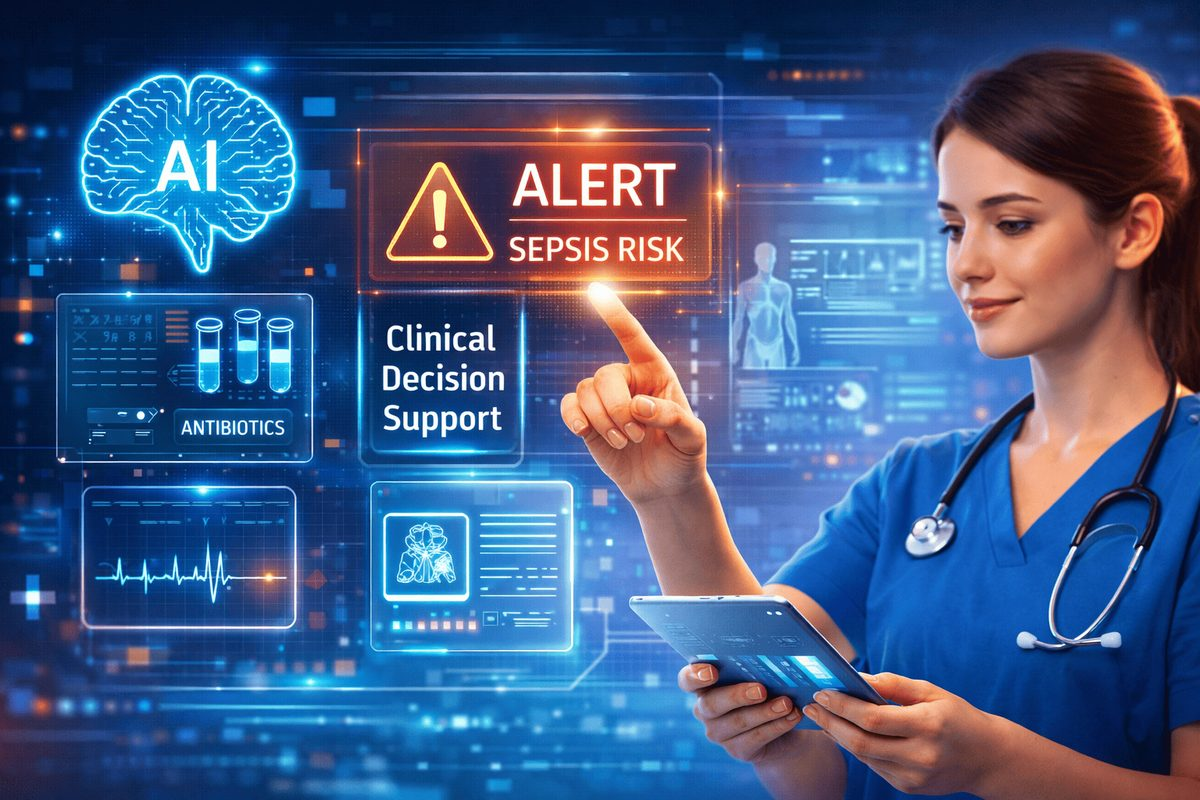
By 2026, Artificial Intelligence (AI) is no longer a futuristic concept; it is an everyday tool in the nursing workflow. AI literacy doesn't mean you need to know how to write code, but you must understand how AI tools work to assist you. One of the biggest shifts is the use of Clinical Decision Support Systems (CDSS). These are smart software programs that analyze patient data in real-time and "flag" potential risks, such as an early sign of sepsis or a high risk of a fall. A nurse in 2026 needs to know how to interpret these alerts without becoming "robot-dependent."
Another major AI trend is Ambient Intelligence in patient rooms. These systems use sensors and microphones to automatically document a nurse's actions, such as "Patient turned at 10:00 AM" or "Medication administered." This significantly reduces the time spent on "charting" at the end of a shift. However, nurses must have the skill to review and verify these automated notes for accuracy. Understanding the ethics of AI, such as recognizing bias in algorithms or ensuring patient privacy, is now a core requirement for professional registration.
2. Remote Patient Monitoring and Wearable Tech
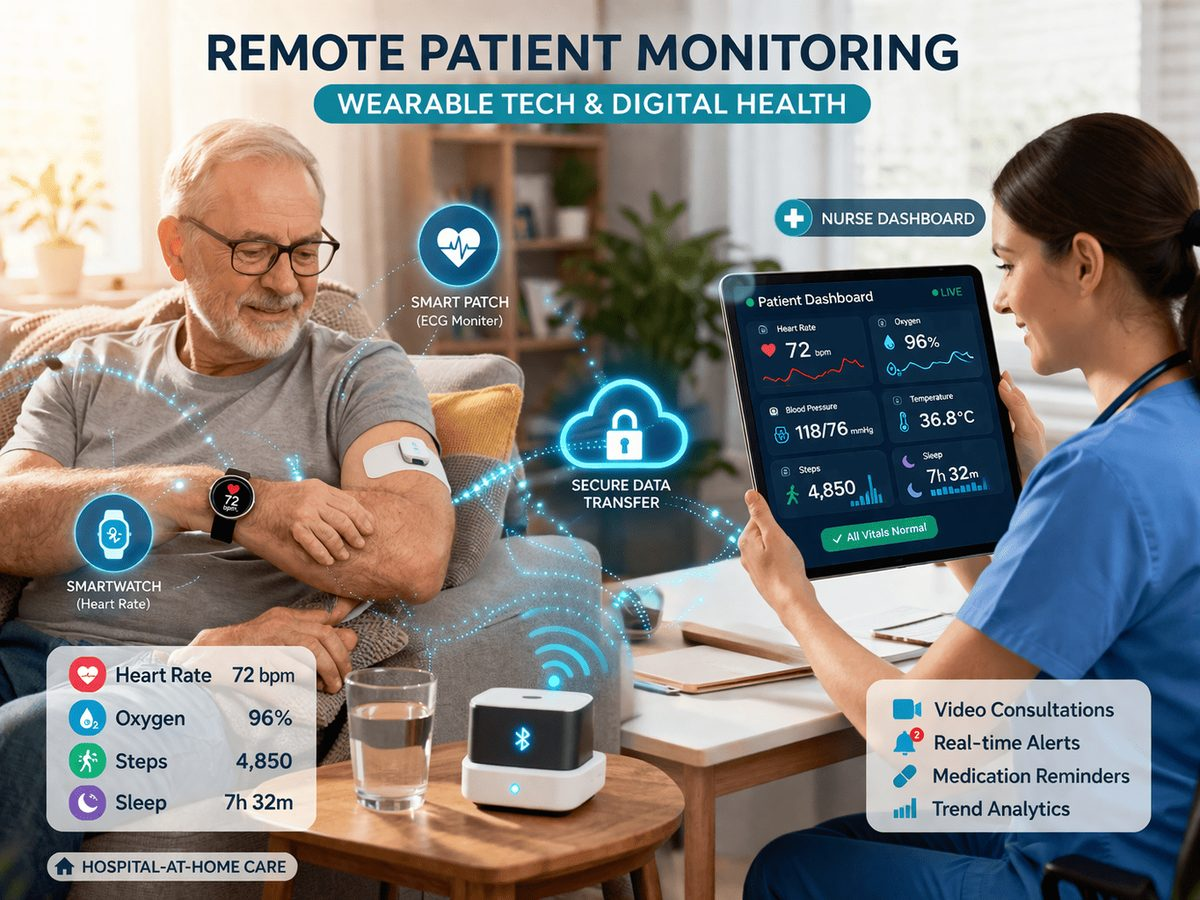
The hospital of 2026 is often the "Hospital at Home." Thanks to the rise of Remote Patient Monitoring (RPM), many patients who used to stay in a hospital bed are now monitored from their own living rooms. Nurses are now "data navigators" who monitor continuous streams of information from medical-grade wearables, smart patches, and even "smart beds." This requires a new skill: digital triage. You must be able to look at a dashboard of 50 patients at home and decide which "red alert" is a true emergency and which is just a sensor that lost its battery.
Nurses also need to be teachers in this area. You will spend a lot of time showing patients—especially the elderly—how to wear their devices, how to sync them with an app, and how to troubleshoot basic connectivity issues. This "digital health coaching" is vital. If a patient doesn't understand their wearable tech, the data won't be accurate, and the care will suffer. In 2026, being a great nurse means being a great digital educator, ensuring that technology reduces the gap in care rather than creating a "digital divide" for those who are less tech-savvy.
3. Advanced Telehealth and Virtual Care Models
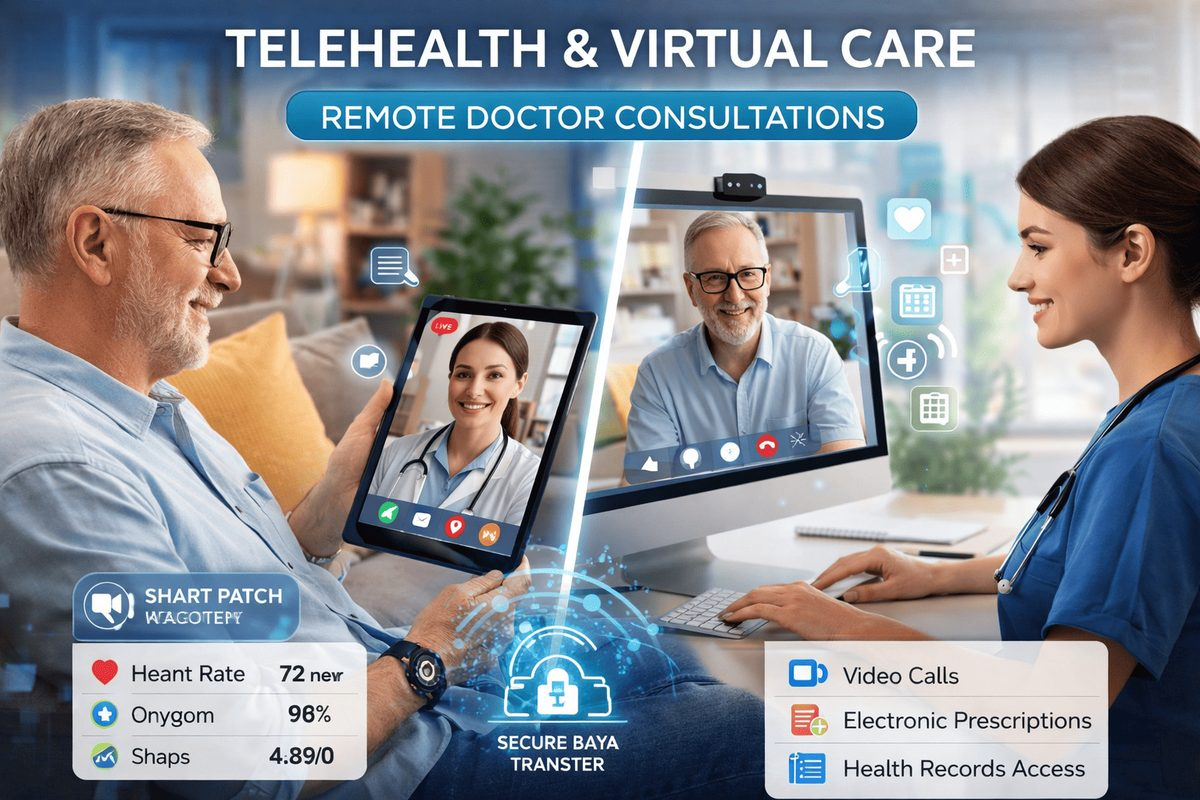
Telehealth has evolved far beyond a simple video call. In 2026, we see the mainstreaming of Virtual Nursing. This is a model where an experienced nurse monitors several hospital rooms via high-definition cameras and screens, assisting the bedside nurse with tasks like double-checking high-risk medications, performing admissions, or providing patient education. To succeed in this role, you need excellent virtual communication skills. You must be able to project empathy, build trust, and perform visual assessments through a screen.
Virtual care also involves "Hybrid Models" where care is split between in-person visits and digital check-ins. Nurses need to be proficient in using secure messaging platforms and interoperable Electronic Health Records (EHR) that talk to each other across different clinics. The ability to coordinate a multidisciplinary team—doctors, therapists, and social workers—all through a digital platform is a high-demand skill. Nurses who can manage these virtual "handovers" smoothly ensure that nothing gets lost in translation, significantly improving patient safety.
4. Cybersecurity and Data Privacy Awareness
As healthcare becomes more digital, it also becomes a bigger target for cyberattacks. In 2026, Cybersecurity is not just an IT problem; it is a patient safety problem. If a hospital's system is hacked, patient vitals might not update, or medication orders could be changed. Nurses are often the "first line of defense" against these threats. You need to be skilled in digital hygiene, which includes using multi-factor authentication, recognizing phishing emails, and ensuring that mobile devices used for patient care are always secure.
Privacy is also more complex in 2026. With the use of smart cameras and home sensors, nurses must be experts in digital consent. You need to be able to explain to a patient exactly what data is being collected, who can see it, and how it is being protected. This builds "Digital Trust," which is essential for patient cooperation. A nurse who accidentally leaves a tablet unlocked or shares sensitive info over an unencrypted chat can cause a major legal and ethical breach. Protecting "Digital Privacy" is now just as important as protecting physical privacy during a bedside procedure.
5. Digital Professionalism and Information Literacy
The final and perhaps most important skill for 2026 is Digital Professionalism. This refers to how you conduct yourself online, both at work and in your personal life. With patients frequently Googling their symptoms or using "Dr. Google," nurses need strong Information Literacy. You must be able to guide patients toward high-quality, evidence-based digital resources and help them steer clear of "medical misinformation" found on social media. You are no longer just a source of information; you are a "filter" for the vast amount of info available online.
Furthermore, nurses in 2026 use Digital Identity to network and learn. This involves participating in professional "Communities of Practice" on platforms like LinkedIn or specialized nursing forums. However, you must maintain a professional "Digital Footprint." Understanding the boundaries of social media—such as never posting patient-identifiable info or complaining about a workplace online—is a non-negotiable skill. Being a Digitally Fluent nurse means using technology to enhance your professional reputation and your ability to stay updated with the latest medical research.
Frequently Asked Questions
Q: Do I need to be a "tech genius" to be a nurse in 2026? A: No. You don't need to be a computer scientist. You just need "Digital Confidence." This means being open to learning new tools, having basic troubleshooting skills, and understanding the "why" behind the technology you use every day.
Q: Will AI replace bedside nurses in 2026? A: Definitely not. AI is great at spotting patterns and doing paperwork, but it cannot provide emotional intelligence, empathy, or complex physical care. AI is a tool to give nurses more time for the human side of nursing, not a replacement for it.
Q: How can I improve my digital health skills while I am still a student? A: Take advantage of Simulation Labs that use EHR systems and VR (Virtual Reality) training. Follow digital health trends on reputable sites like HIMSS, and get comfortable using different apps and wearables to track your own health.
Q: What is "Alert Fatigue" and how do I avoid it? A: Alert fatigue happens when a nurse gets so many digital notifications that they start to ignore them. In 2026, nurses are trained to "customize" their digital settings and use critical thinking to distinguish between a "nuisance alarm" and a "critical alert."
Q: Are digital health skills required for nursing registration in Australia? A: Yes. Regulatory bodies like the NMBA now include digital literacy as part of the "Professional Standards." You must be able to demonstrate that you can use healthcare technology safely and effectively to maintain your registration.