
In the diverse world of modern healthcare, providing "culturally sensitive care" is just as important as administering the right medication. For nursing students and healthcare professionals, understanding the significance of Ramadan is essential for supporting Muslim patients. Ramadan is a holy month where millions of people fast from dawn until sunset. When a patient is admitted to a hospital or clinic during this time, they often face a difficult choice: do they follow their religious tradition or prioritize their medical treatment? As a nurse, you are the bridge between these two worlds. Your role is not to judge the patient’s choice, but to provide a safe, respectful environment where their spiritual needs are met alongside their clinical care.
+1
Culturally sensitive support means more than just knowing that people aren't eating during the day. It involves understanding the emotional and spiritual weight of the month, recognizing the exemptions provided for the sick, and adapting nursing interventions to fit the patient’s rhythm. When a nurse shows that they respect a patient’s faith, it builds a deep level of trust. This trust leads to better communication, higher patient satisfaction, and ultimately, better health outcomes. This article provides a detailed guide on how nurses can offer the best possible support to fasting patients during Ramadan.
1. The Importance of Early Assessment and Communication

The foundation of culturally sensitive care during Ramadan is the "Pre-Fasting Assessment." Nurses should not assume that every Muslim patient will fast, nor should they assume that an ill patient will automatically stop fasting. The best practice is to ask open-ended, respectful questions during the initial intake or at the start of the month. Questions like, "Are you planning to observe the fast this year?" or "How can we support your religious practices during your stay?" allow the patient to express their intentions without feeling pressured. This early communication is vital because it allows the nursing team to flag potential risks, such as hypoglycemia in diabetics or dehydration in patients with kidney issues.
Once the patient’s intention is clear, the nurse must act as an advocate within the multidisciplinary team. If a patient is determined to fast, the nurse should coordinate with the doctor and pharmacist to see if medications can be adjusted to the non-fasting hours (Suhoor and Iftar). Communication also extends to the patient's family. In many cultures, healthcare decisions are a family affair. By including the family in the discussion about the risks and benefits of fasting while ill, the nurse ensures that everyone is on the same page. This proactive approach prevents misunderstandings and ensures that the patient doesn't feel forced to choose between their health and their faith in a high-stress hospital environment.
2. Understanding Religious Exemptions for the Sick
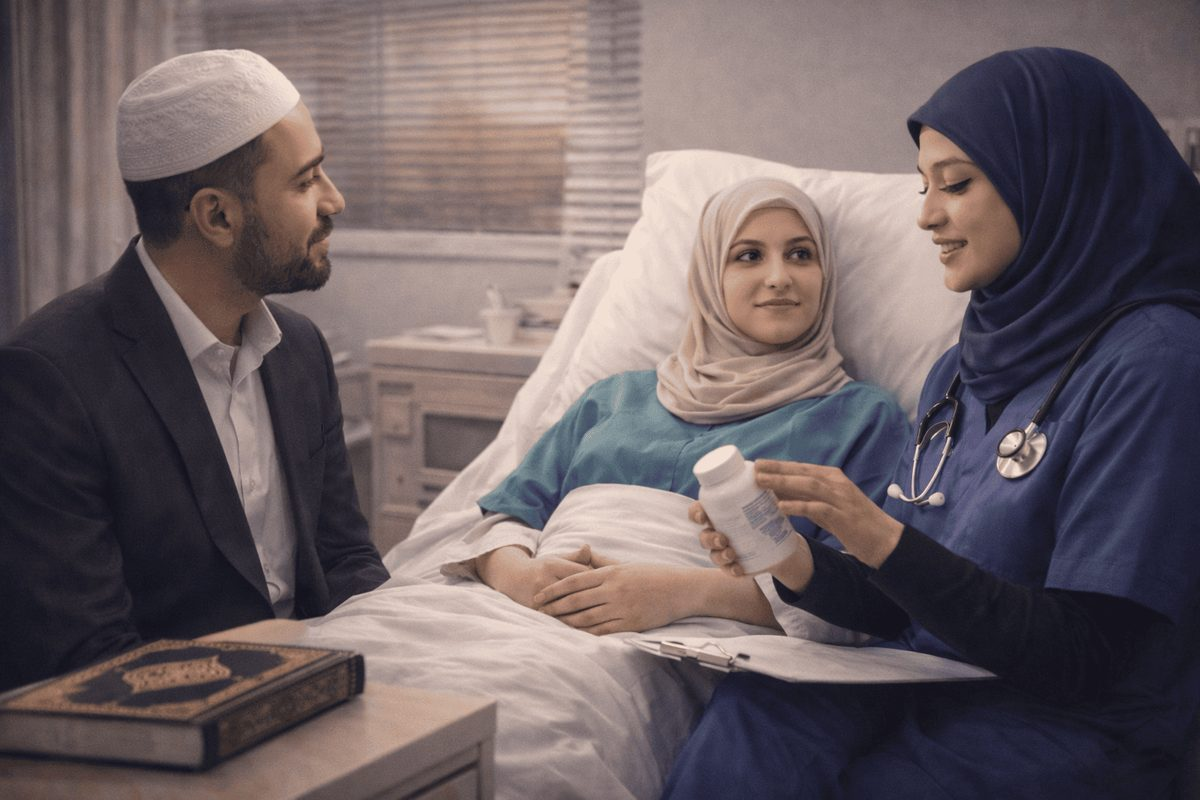
One of the most helpful things a nurse can do is educate patients on the exemptions provided within Islam. Many patients feel a sense of "spiritual guilt" if they cannot fast, believing they are failing in their religious duties even when they are severely ill. Nurses should be aware that Islam explicitly exempts those who are sick, elderly, pregnant, or breastfeeding if fasting would cause harm to their health. Knowing this allows a nurse to provide "spiritual comfort" by gently reminding the patient that taking care of their body is also a highly respected form of worship.
If a patient is struggling with the decision to fast against medical advice, a culturally sensitive nurse might suggest a consultation with a hospital chaplain or a local Imam. These religious leaders can often provide the theological "permission" a patient needs to prioritize their recovery. For example, a patient undergoing chemotherapy or recovering from major surgery needs constant hydration and nutrition. When a nurse explains the medical necessity in a way that respects the patient's spiritual goals, it reduces the patient's internal conflict. Providing this support shows the patient that you care about their "whole self"—their body, their mind, and their soul.
3. Modifying Clinical Routines for the Fasting Patient
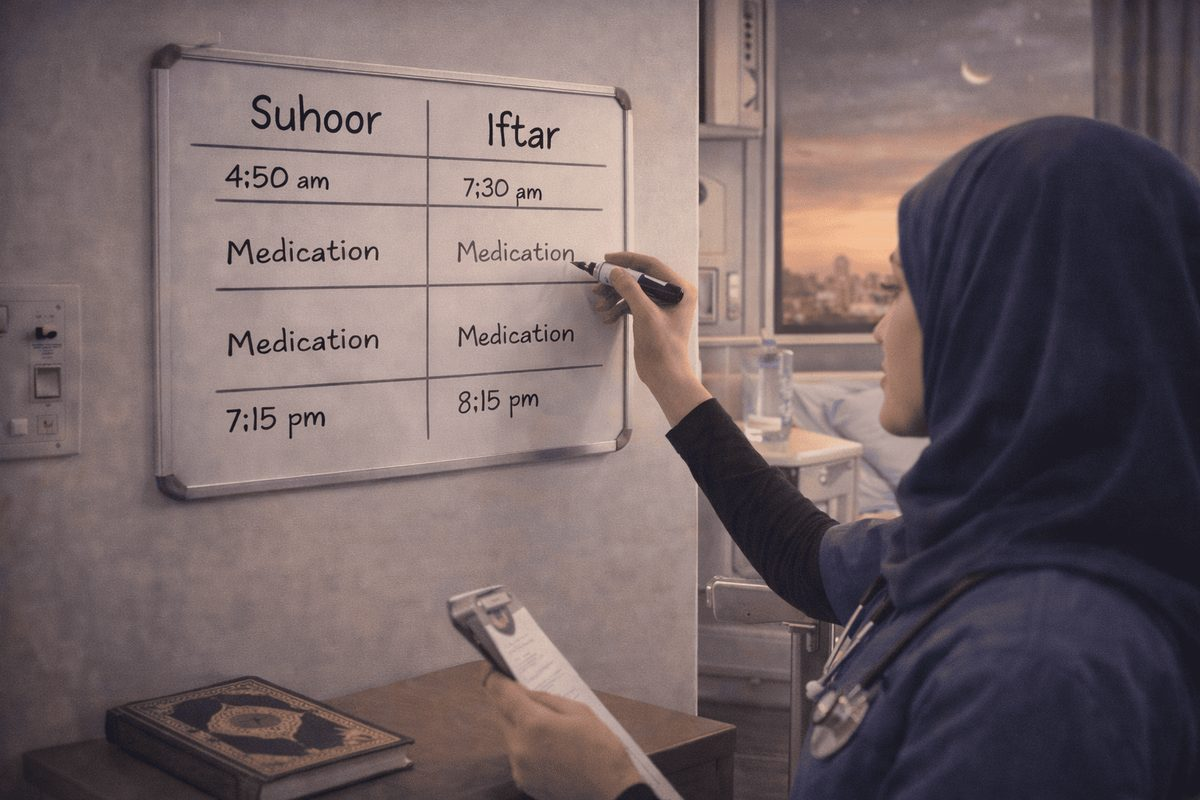
A hospital is a 24-hour operation, but its routines—like meal deliveries, vitals checks, and medication rounds—are usually designed for a standard daytime schedule. To provide culturally sensitive support, nurses should try to "synchronize" the hospital routine with the patient’s fasting schedule. This is often called "Time-Shifting Care." For a fasting patient, the most important times of the day are Suhoor (just before dawn) and Iftar (sunset). A nurse can support this by ensuring that the patient’s room is not disturbed during their non-fasting hours when they are trying to eat or pray, and by coordinating with the kitchen to ensure meals are delivered at the correct times.
Furthermore, nurses should be mindful of the "afternoon slump." Patients who are fasting may have lower energy levels in the late afternoon. If possible, nurses should schedule physically demanding therapies, such as wound debridement or intensive physical therapy, for the morning hours when the patient has more energy from their Suhoor meal. Additionally, nurses should be aware of the "route of administration" for medications. Many patients believe that any medicine breaks the fast, but things like eye drops, nicotine patches, and even some injections are often considered "fast-safe." By educating the patient on these details, the nurse helps the patient maintain their religious observance without skipping essential treatments.
4. Monitoring for Risks and Educating on "Red Flags"
While a nurse should respect a patient's desire to fast, their primary duty is always patient safety. Culturally sensitive support includes "Harm Reduction." This means that if a patient chooses to fast against medical advice, the nurse doesn't simply give up; instead, they monitor the patient more closely for signs of distress. For a patient with diabetes, this means more frequent blood glucose monitoring. For a patient with heart failure, it means keeping a very close eye on fluid balance and blood pressure. The nurse must be the "early warning system" that catches complications before they become emergencies.
+1
Nurses also have a responsibility to teach patients the "Red Flags" that mean they must break their fast. This education should be delivered with kindness and clarity. A nurse might say, "We want you to be able to fast safely, but if you feel very dizzy, start shaking, or have a severe headache, it is a sign that your body needs help. In these cases, it is important to take some water or a glucose tablet immediately." Providing the patient with a written "Sick Day Rule" list gives them the power to make safe decisions. By focusing on "safety within the fast" rather than "stopping the fast," the nurse maintains a supportive relationship while still fulfilling their clinical obligations.
5. Creating a Respectful and Quiet Environment for Prayer
Ramadan is not just about avoiding food; it is a month of intense prayer, reflection, and connection with God. For a patient in a shared hospital room, finding the peace and quiet to perform their five daily prayers or to listen to the Quran can be difficult. A culturally sensitive nurse looks for ways to provide this "spiritual space." This might mean pulling the curtain for privacy, helping the patient orient themselves toward Qibla (the direction of Mecca), or providing a clean towel if the patient doesn't have a prayer rug. These small gestures of respect go a long way in making the patient feel at home.
Nurses should also be aware of the patient’s need for "Wudu" (ritual washing) before prayer. If a patient is bedridden or has limited mobility, a nurse can assist by providing a basin of water or "Tayammum" (a dry purification method using a clean stone or sand) if water is not medically advised. Being sensitive to these needs shows that the nurse understands that healing is a holistic process. When a patient feels spiritually connected and at peace, their stress levels drop, which can actually help their body heal faster. By supporting the patient's religious rituals, the nurse isn't just being "nice"—they are providing high-quality, evidence-based care that addresses the patient's total well-being.
Frequently Asked Questions
Q: If a patient insists on fasting even though it is dangerous for them, what should I do? A: Your first step is to listen to their reasons. Then, explain the medical risks clearly and without judgment. Involve the doctor and perhaps a Muslim chaplain or Imam who can explain the religious exemptions for illness. If they still insist, focus on "Harm Reduction"—monitor them more frequently and ensure they know the emergency signs that mean they must break the fast.
Q: Does taking a blood sample for lab tests break the patient's fast? A: Most Islamic scholars and medical authorities agree that taking blood for diagnostic purposes does not break the fast. However, it is a good idea to explain this to the patient, as they may have concerns. Try to schedule blood draws for the morning when the patient is most hydrated.
Q: Can I give an IV (intravenous) drip to a fasting patient? A: This depends on the type of IV. If it is a nutritional drip (like TPN) that provides calories, it is generally considered to break the fast. However, many scholars agree that IV fluids for hydration or IV medications do not break the fast because they are for medical treatment, not "feeding." Always discuss this with the patient and their religious advisor if they are unsure.
Q: How can I help a fasting patient who has a very dry mouth? A: "Mouth care" is a great nursing intervention. You can provide a cool, damp cloth for the patient to wipe their lips or a small amount of water to rinse their mouth (as long as they don't swallow it). This provides immense relief from thirst without breaking the fast.
Q: Why do some patients get more visitors during Ramadan? A: Ramadan is a very communal month. Families and friends often want to visit patients to break fast together or to provide spiritual support. As a nurse, try to be flexible with visiting hours if the ward allows, or find a quiet space where the family can gather for Iftar. This community support is vital for the patient's morale.