


The future of nursing in Australia is evolving more quickly than in the past. Modern nursing practice now combines technology, telemedicine, digital health records, automation, and sophisticated healthcare instruments. It is crucial for recent graduates and current nursing students to comprehend these changes. The healthcare system is shifting toward more sophisticated clinical equipment, more distant treatment, and more digital solutions. This means that future nurses need to be well-versed in digital literacy, have effective communication skills, and be able to adjust to new technologies and systems.
Nursing will not lose significance as a result of these developments. Instead, nurses will be even more involved in patient care, but in fresh, contemporary ways. Students who understand telehealth, technology, and the future of nursing in Australia will have greater professional progression options. In order to keep students informed, self-assured, and ready for the Australian nursing field, this article describes future trends in plain English.
How Technology Is Transforming Nursing Roles in Australia
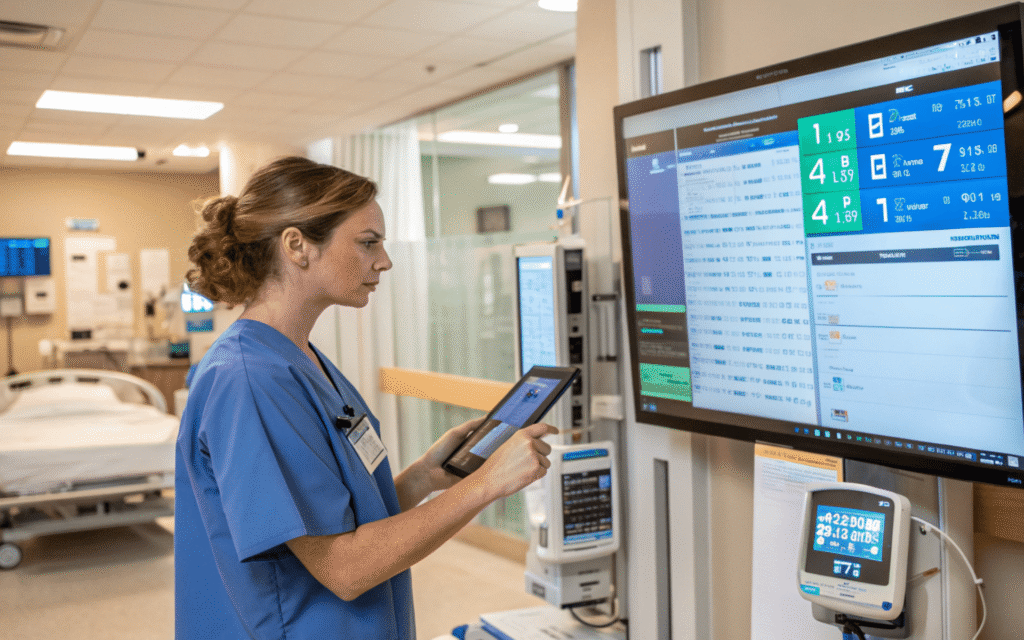
Nowadays, practically every aspect of Australia’s healthcare system uses technology. Digital technologies are being used by hospitals, aged care homes, general practitioners’ offices, specialized centers, and even community care initiatives to increase patient safety, decrease manual labor, and expedite treatment. It’s critical for nursing students to comprehend how technology affects day-to-day tasks.
The transition to digital documentation and electronic medical records (EMRs) is one of the most significant shifts. Instead of using paper records, the majority of Australian healthcare facilities now employ computer-based patient records. This enables nurses to view test results, prescriptions, allergies, care plans, and clinical notes all in one location. During their clinical rotations, students who feel at ease using digital tools will be more competitive and self-assured.
The adoption of clinical decision-support technologies is another expanding trend. These software tools assist nurses in identifying hazards, verifying medication safety, and adhering to evidence-based protocols. Systems might notify nurses of potentially harmful drug combinations or pharmaceutical allergies, for instance. Nurses can lower errors and deliver safer care by knowing how to use these tools.
Additionally, automatic vital-sign monitoring, pharmaceutical barcode scanning, patient sensors that identify falls, and portable gadgets for quick evaluations are all made possible by technology. By reducing burden, these solutions enable nurses to concentrate more on patient care and communication. Nurses’ ability to use digital tools with confidence and their willingness to learn new systems throughout their careers will be crucial to the future of nursing in Australia.
Telehealth: A Major Part of the Future of Nursing in Australia

One of the most significant advancements in Australian healthcare is telehealth. Telehealth usage surged during the COVID-19 epidemic and has continued to be a typical component of many medical services ever since. Patients can obtain care via internet platforms, phone consultations, or video calls thanks to telehealth. Telehealth skills are becoming crucial for nursing students.
Patients who require frequent follow-ups but are unable to visit the clinic, elderly patients with restricted mobility, and those who live in rural or isolated places can all benefit from telehealth. In telehealth services, nurses are crucial because they monitor patients, educate them about their problems, and help with remote assessments. The need for nurses with telemedicine experience is increasing as more Australians use telehealth.
Students will benefit from knowing how telehealth operates, including digital documentation, online patient assessment, communication etiquette, and privacy regulations. Since nurses are not always able to physically assess patients, telehealth necessitates good communication. This implies that nurses need to learn how to identify symptoms through video, ask specific questions, and give appropriate advise while staying within their professional bounds.
In order to prepare students for contemporary healthcare settings, universities are now including telehealth training into their nursing curricula. One of the most important competencies for aspiring Australian nurses will be the capacity to provide safe and efficient treatment via digital platforms.
The Rise of Digital Health Tools and What Students Should Learn
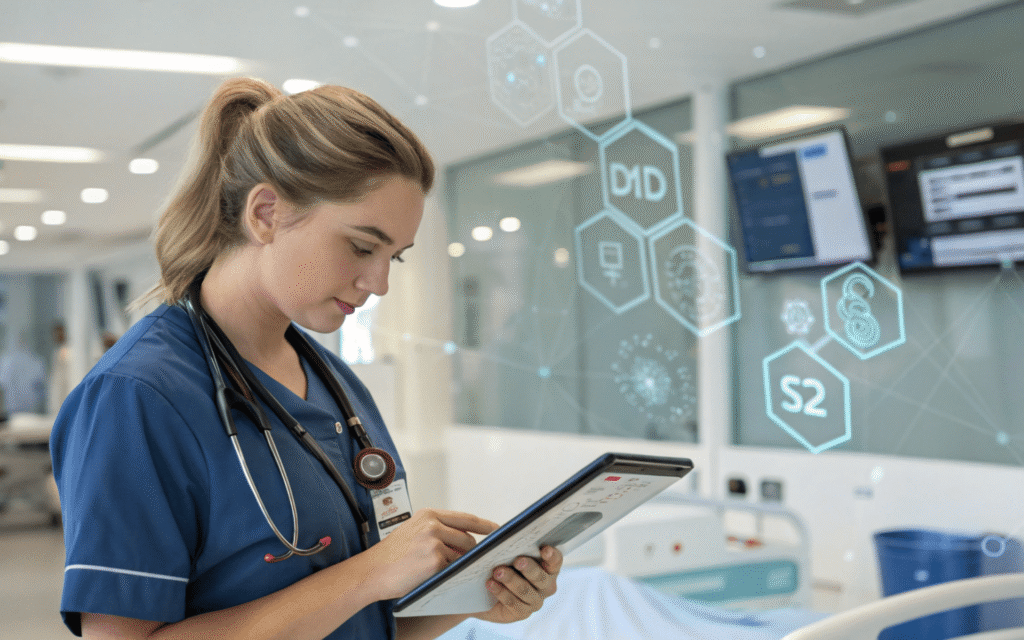
Nursing students who wish to be successful in future healthcare environments must comprehend the increasing use of digital health instruments. Digital teaching platforms, wearable technology, online monitoring systems, and applications are some of these technologies. Nurses typically utilize these tools to enhance patient recovery, track symptoms, and help patients manage their health between consultations.
Patients can transmit real-time data to medical teams via wearable health gadgets including smartwatches, blood pressure monitors, glucose trackers, and heart-rate monitors. Examining this data and spotting dangers early are frequently the responsibilities of nurses. An older patient might use a wearable monitor, for instance, to notify nurses if their heart rate starts to fluctuate or if they fall. This enables nurses to act swiftly and avoid major issues.
The application of automation and artificial intelligence (AI) in healthcare is another significant advancement. AI assists with duties like analyzing scans, forecasting patient risks, making appointments, and handling data, but it does not replace nurses. Clinical choices will still be made by nurses, but AI can lessen workload and increase accuracy. When these tools become more common, students who get how AI helps healthcare will find it easier to adjust.
One of the most important competencies for aspiring nurses is digital literacy. Apps, telemedicine platforms, online documentation systems, and digital evaluation tools are all examples of this. Early acquisition of these skills facilitates placements and equips you for the nursing profession in Australia.
Challenges Future Nurses May Face with Technology and Telehealth

Nursing students must be ready for the problems that come with technology and telemedicine, despite their numerous benefits. The learning curve is one of the most frequent obstacles. When utilizing new technologies, particularly during clinical rotations, many students experience anxiety. But it gets much simpler with practice and help from clinical educators.
Preserving patient privacy presents another difficulty. Strict secrecy is necessary for digital communication and telehealth. Students need to know how to use secure systems, preserve patient data, and adhere to privacy regulations. In Australia, this is a significant aspect of professional nursing practice.
Another frequent difficulty is technical difficulties. Telehealth sessions can be disrupted or potentially delayed by a poor internet connection, app faults, device malfunctions, or login issues. Nurses need to learn how to remain composed, solve simple problems, and know when to seek technological assistance.
In telehealth environments, communication problems sometimes arise. While some people may struggle with technology, others may experience poor audio/video quality or linguistic challenges. Clear communication, appropriate questioning, and making sure patients comprehend instructions are all skills that nurses must acquire.
The advantages of technology and telemedicine outweigh these difficulties. Early preparation for these challenges will make it easier for nursing students to enter contemporary workplaces and contribute significantly to future healthcare teams.
How Nursing Students Can Prepare for the Future of Nursing in Australia
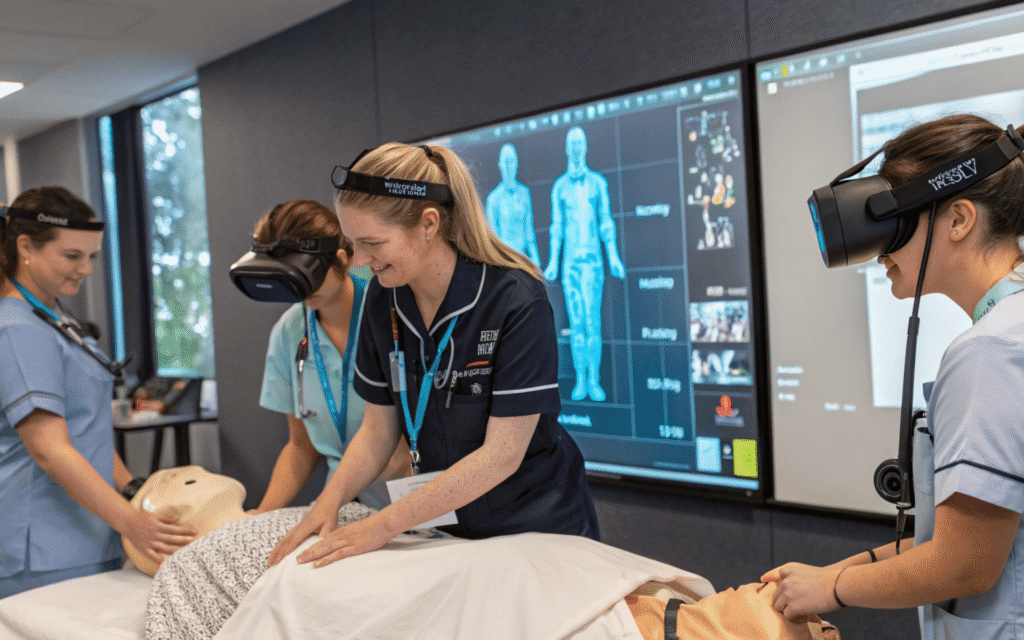
While you are still in school, you can start preparing for your future as a nurse. Your confidence in your future job will increase as you gain more experience with technology and telemedicine. Practicing digital skills and paying attention in simulation laboratories and clinical placements are two of the finest methods to get ready.
These days, a lot of colleges offer training in electronic health records, digital simulation labs, and telehealth evaluations. Even if these possibilities seem difficult at first, seize them. Employers will be drawn to nurses who possess these abilities.
Developing effective communication skills is also beneficial. Nurses must ask thorough questions, listen intently, and speak properly when using telehealth. You can be well-prepared for both telehealth and in-person patient care by putting these abilities into practice during university lectures, role-playing exercises, and group discussions.
Another crucial aspect is keeping abreast of developments in healthcare. You can learn about how the industry is evolving by reading publications, going to university workshops, keeping up with nursing organizations, or joining student nursing associations. Your foundation will be stronger after you graduate if you acquire more knowledge now.
The most crucial thing for students to keep in mind is that technology will never take the place of the compassionate, human aspect of nursing. Critical thinking, empathy, compassion, and patient support will always be crucial traits. Technology simply adds tools that help nurses provide safer and more effective care.
Final Thoughts
There are a lot of fascinating options for students in Australia’s nursing future, including telemedicine, technology, digital health technologies, and automation. These modifications are intended to enhance patient safety, lessen workloads, expand access to healthcare, and assist nurses in making more informed clinical decisions. Early awareness of these trends can help students prepare for job applications, placements, and long-term career advancement. You may enter the nursing field with confidence and be prepared for the future by developing your digital literacy, honing your communication skills, and remaining receptive to learning new technology. Nurses who adjust to the rapidly changing healthcare system will have more chances for employment, more responsibility, and the ability to influence the direction of healthcare in Australia.
Disclaimer: “I researched this information on the internet; please use it as a guide and also reach out to a professional for assistance and advice.This information is not medical advice, so seek your medical professional’s assistance.”