
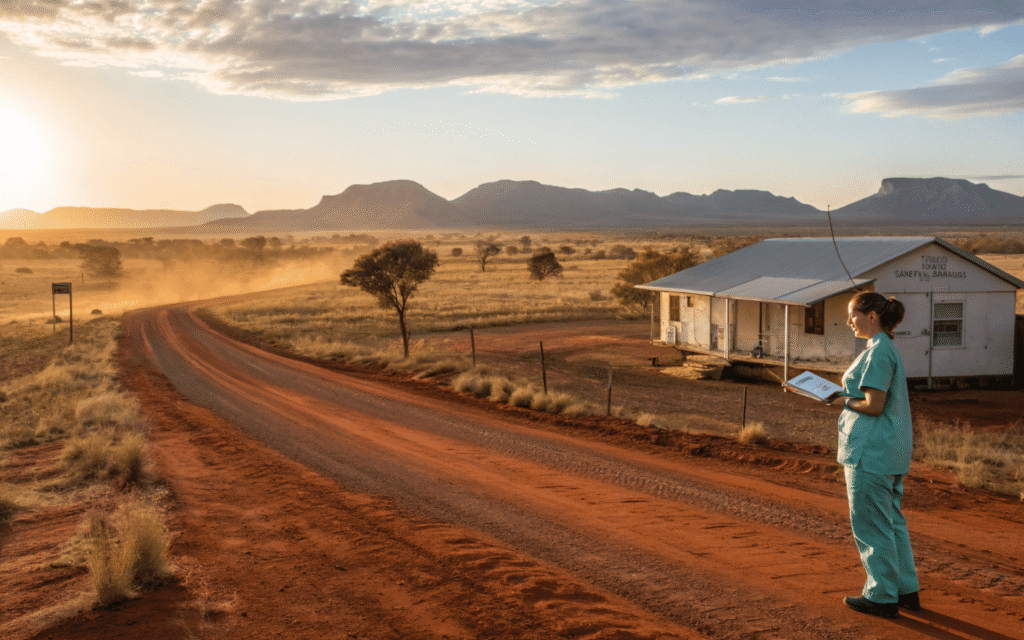

For nursing students, rural and remote nursing in Australia offers some of the most fulfilling job paths. Thousands of villages in Australia rely largely on qualified nurses for healthcare because they are located distant from major cities. As a result, rural nursing is essential to Australia’s healthcare system, and demand for it is rising annually.
Rural settings offer distinctive learning opportunities, increased responsibility, quicker career advancement, and better employment prospects for nursing students and recent graduates. But there are drawbacks to rural nursing as well, like working in small teams, being isolated, and having few resources.
Before selecting this career option, students should be aware of the potential and difficulties associated with rural nursing in Australia.
1. Understanding Rural & Remote Nursing in Australia
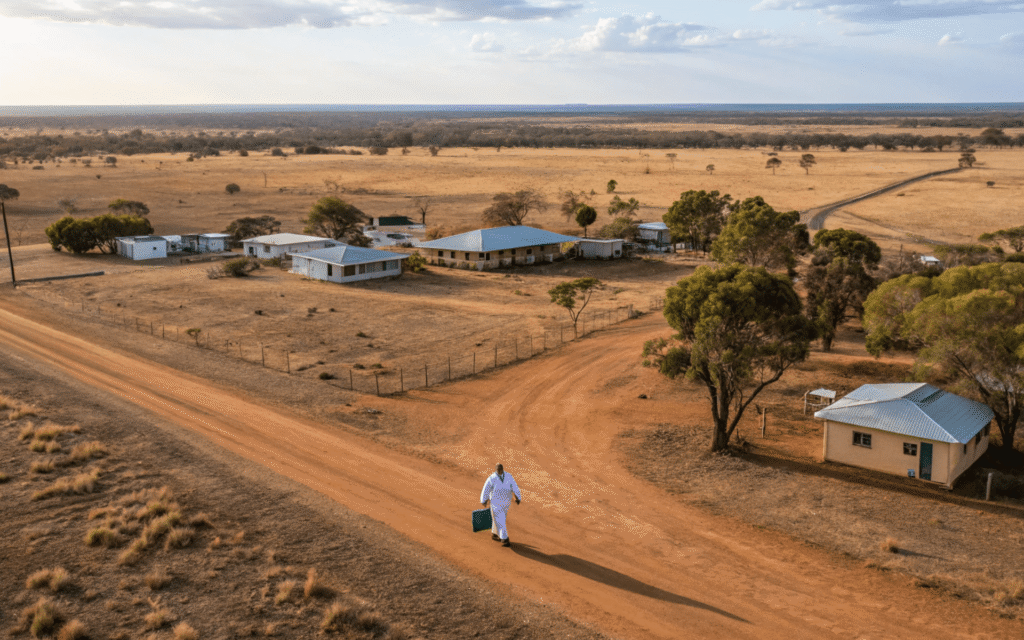
Delivering healthcare in locations far from large cities, frequently with smaller populations and fewer medical services, is referred to as rural and remote nursing. These regions include seaside villages, rural communities, small interior towns, and incredibly isolated outback places.
Why Rural Nursing Matters in Australia
Despite having one of the world’s greatest land expanses, Australia’s population is modest and dispersed. Numerous rural towns face a lack of nurses, particularly in emergency care, aged care, community health, and general practice clinics, according to national labor data.
Because they provide healthcare in areas where doctors are scarce or unavailable, rural nurses are crucial. Nurses may serve as the main healthcare provider for extended periods of time in certain very remote places.
Why Students Should Learn About Rural Nursing
Rural clinical assignments are encouraged by many universities and TAFEs because they provide students with practical experience that is frequently unavailable in large metropolis hospitals. Additionally, it’s a fantastic way to learn about chronic illnesses, community-based treatment, and Indigenous Australian health.
Students can determine whether a job in rural nursing is a good fit for them by learning about the surroundings, expectations, and daily duties.
2. Opportunities for Students in Rural Nursing
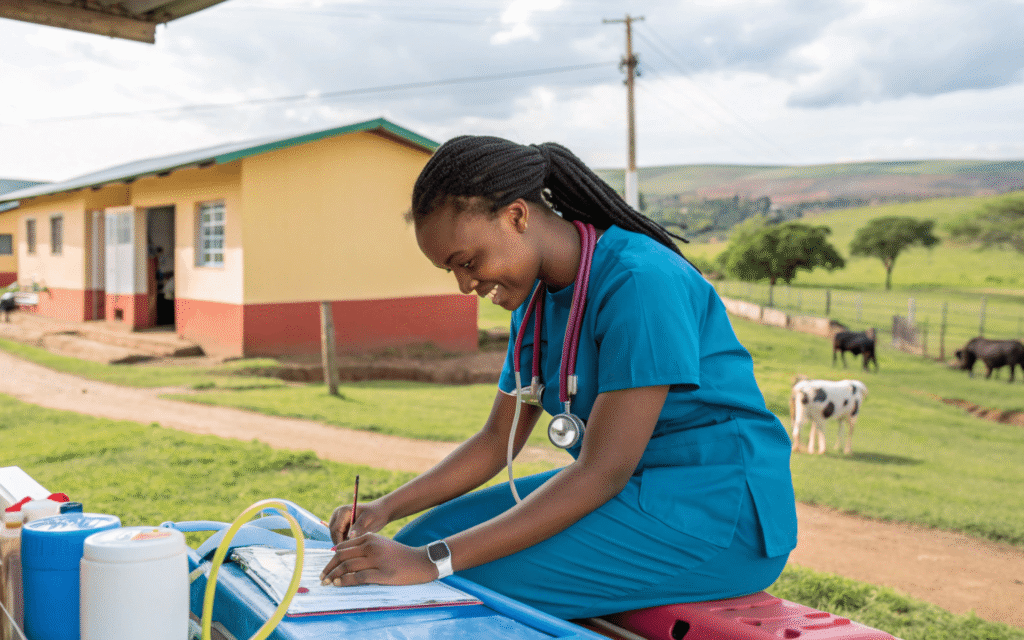
The chances for rural nursing in Australia that students can take advantage of while selecting remote or rural jobs or placements are the main topic of this section. Compared to urban hospitals, rural locations frequently provide students greater exposure, clinical possibilities, and autonomy.
Greater Hands-On Learning & Clinical Variety
Due to the modest size of the healthcare team in rural areas, nurses frequently oversee a wide variety of duties. Students can learn skills such as:
- Wound management
- Emergency response
- Chronic disease management
- Health assessments
- Medication administration
- Community visits
- Mental health support
Compared to city postings, where jobs are more specialized, students gain a wider experience because rural hospitals see a variety of patients.
Faster Career Growth & Higher Responsibility
In urban areas, newly graduated nurses frequently have to wait months to be assigned difficult assignments. Rural places differ since there are fewer employees, students and graduates often get to:
- Assist in emergency situations
- Participate in decision-making
- Work closely with senior nurses
- Build leadership skills early
This makes rural nursing excellent for students who want rapid professional development.
Better Job Opportunities & High Demand
Rural Australia consistently faces workforce shortages, meaning:
- Higher chance of receiving job offers
- Sponsorship opportunities for international students
- Graduate programs designed specifically for rural areas
- Long-term job security
- Pathways to permanent residency for international nurses
Many state governments also offer scholarships and relocation incentives to attract nurses to rural locations.
Stronger Community Connections
The strong ties to the community are among the main advantages. Patients frequently trust nurses, know them by name, and value the work they do. As a result, the workplace becomes fulfilling and purposeful.
Financial Benefits & Allowances
Rural roles sometimes provide:
- Higher salary packages
- Rural and remote allowances
- Subsidised accommodation
- Paid travel
- Bonuses for staying in remote areas
These financial supports make rural work attractive for students starting their careers.
3. Challenges Nursing Students May Face in Rural & Remote Areas
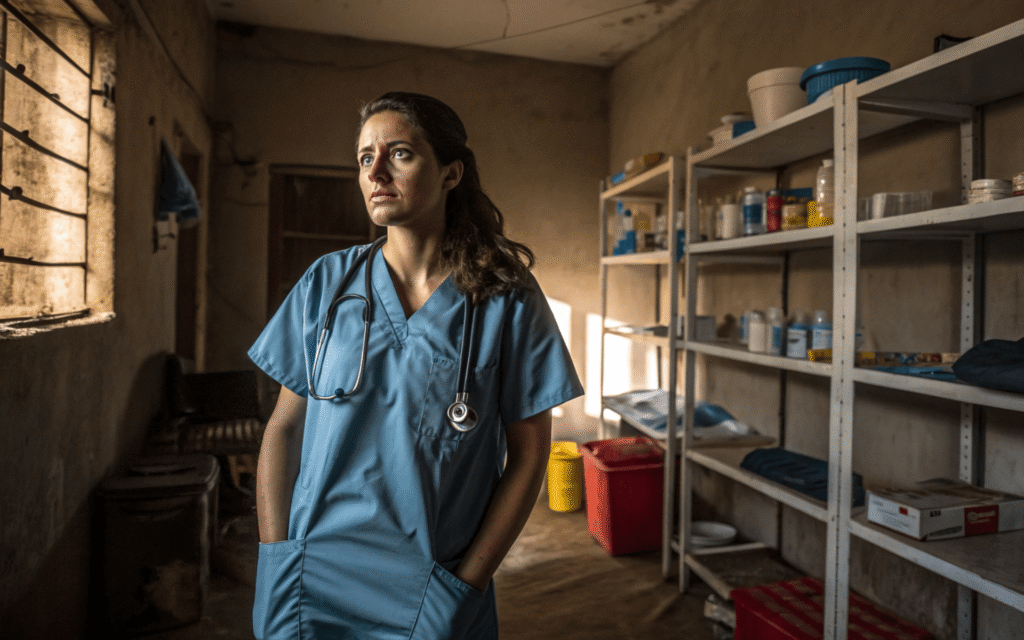
Although there are many advantages to rural nursing, students should be aware of the difficulties. Students who comprehend both perspectives are better equipped to prepare for and thrive in their first rural experience.
Limited Medical Resources
Unlike major hospitals, rural clinics and small health facilities may not have:
- Advanced medical equipment
- On-site specialists
- Large nursing teams
Students may need to rely on creativity, strong assessment skills, and teamwork.
Professional Isolation
Some rural nurses work in tiny teams, which can be isolating for students accustomed to bustling metropolitan hospitals. Confidence and problem-solving abilities become crucial because there could be fewer teammates to turn to for immediate assistance.
Geographical & Social Isolation
Living in small towns or remote outback communities means:
- Long distances from family and friends
- Limited shopping or entertainment
- Smaller social circles
This can be difficult for students who prefer busy environments or depend on strong social networks.
Working With Diverse Populations
Rural nurses often work with:
- Indigenous Australian communities
- Elderly populations
- Patients with chronic illnesses
- People facing social or economic challenges
This requires culturally safe care, respect, and strong communication skills.
Greater Responsibility & Pressure
While taking on more responsibility is an opportunity, those who are anxious or lack confidence may find it difficult. It can be hard for rural nurses to have to react swiftly to situations with little assistance.
4. How Students Can Prepare for Rural Nursing Placements or Jobs
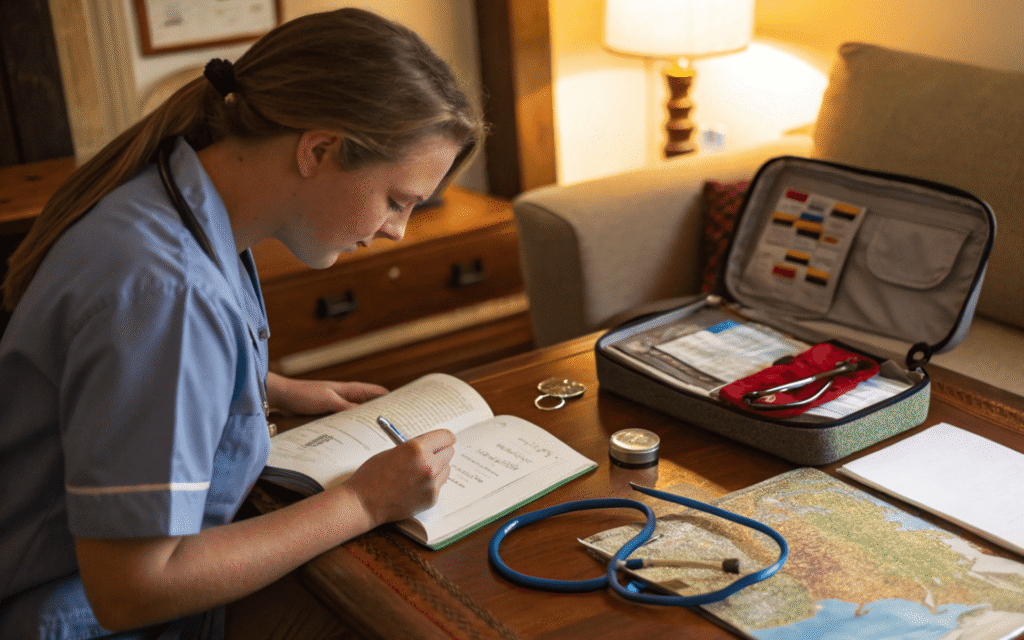
For students thinking about rural nursing prospects in Australia, preparation is crucial. Your time in the country will be safer, simpler, and more pleasurable if you are prepared.
Learn About the Community Before You Go
Research the town’s:
- Population
- Culture
- Local challenges
- Health needs
- Available services
This helps you understand what types of patients you may care for and how to communicate effectively.
Strengthen Your Clinical Skills
Before starting a rural placement, students should practise key skills such as:
- Basic life support
- Medication administration
- Wound dressing
- Taking observations
- Communicating clearly with patients
Rural nursing often requires stronger independence, so confidence in basic skills is important.
Be Open-Minded & Flexible
Rural work is unpredictable. You may be asked to help with tasks outside your comfort zone. Being open to learning new things and adapting quickly will help you succeed.
Prepare Emotionally & Mentally
Rural environments can feel different from city life. Students should:
- Practice self-care
- Maintain regular communication with family
- Ask for support when needed
- Stay positive and patient
Mental preparation makes the transition easier.
Take Advantage of Training Programs
Many organisations offer rural-specific training, including:
- Rural health workshops
- Cultural safety programs
- Aboriginal and Torres Strait Islander health training
- Remote emergency care courses
These programs help you build confidence before starting.
5. Why Students Should Consider Rural Nursing for Their Future Careers
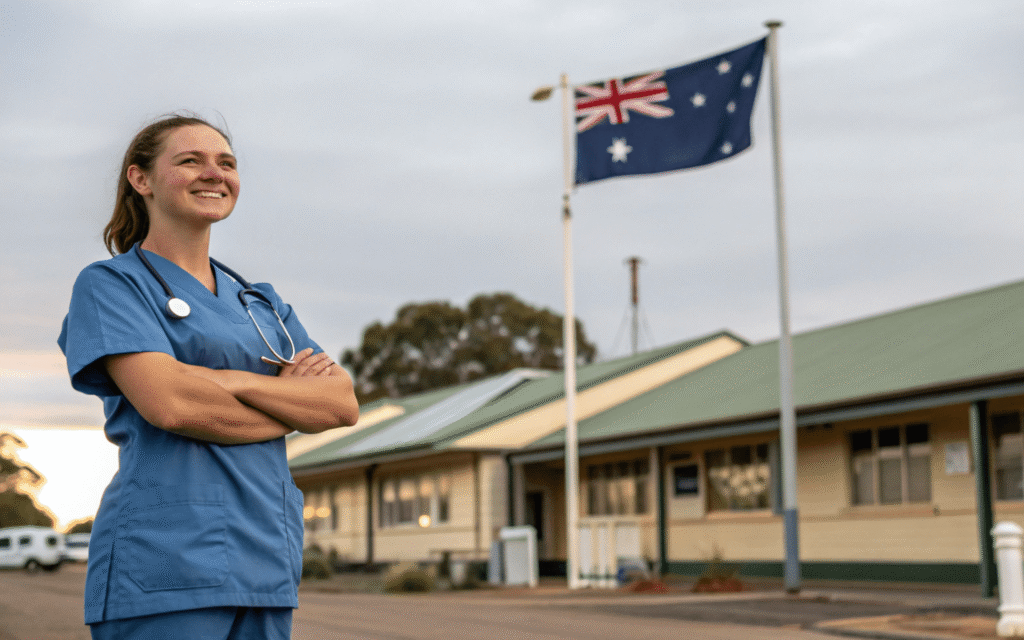
Although it may not be the first option for many students, rural nursing offers some of Australia’s best career advantages. Many nurses who attempt remote positions find new interests and decide to stay in the region for the long run.
Strong Demand = Strong Career Opportunities
Because rural areas experience ongoing shortages, students and graduates often find:
- Easier job placement
- Stronger chances of receiving graduate program offers
- Permanent positions faster than in cities
- More opportunities for leadership
- Better support from managers
This gives students a smoother start in their careers.
Pathway to Specialisation & Leadership
Rural nurses develop broad skills that help them move into:
- Emergency nursing
- Community health
- Mental health
- Chronic disease management
- Care coordination
- Clinical leadership roles
These experiences strengthen resumes and help build long-term career success.
Personal Growth & Life Experience
Working in a rural area teaches resilience, independence, cultural awareness, and strong communication. These qualities shape students into confident and capable nurses.
Stronger Patient Relationships
Due to the close-knit nature of rural areas, nurses develop deep connections with patients. Compared to crowded metropolis hospitals where nurses may encounter hundreds of patients for limited periods of time, this results in a more fulfilling nursing experience.
Long-Term Career Satisfaction
Many nurses report that rural work gives them:
- Greater appreciation
- Strong team support
- A sense of purpose
- Opportunities to make real impact
For students looking for a meaningful nursing journey, rural nursing offers long-lasting fulfilment.
Conclusion: Rural Nursing Australia Opportunities Students Should Explore
In Australia, distant and rural nursing presents a special set of opportunities and difficulties. Students benefit from increased clinical experience, quicker professional advancement, more stable employment, and closer ties to the community. They also need to be ready for social isolation, increased responsibility, and scarce resources.
Rural nursing can be an amazing first step toward a prosperous and fulfilling nursing career for students who are prepared to learn, adapt, and develop. Rural Australia offers opportunities that are just not possible in urban hospitals, whether you choose to pursue it through a short placement or long-term work.
Disclaimer: “I researched this information on the internet; please use it as a guide and also reach out to a professional for assistance and advice.This information is not medical advice, so seek your medical professional’s assistance.”