

Summary
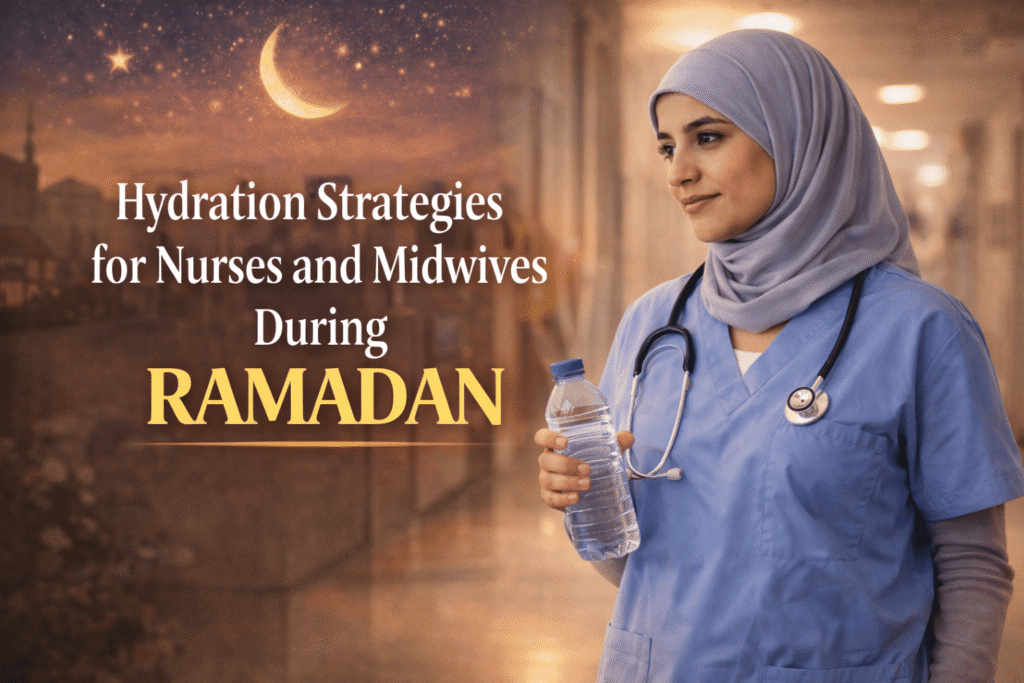
The physical demands of their jobs are unrelenting for nurses and midwives. Your body is always moving, whether you are rushing between wards during a hectic night shift, helping with a high-stakes delivery, or keeping an eye on a patient’s vital signs. The inability to drink water during the daytime hours of the holy month of Ramadan adds a degree of physical stress that can cause headaches, exhaustion, and impaired attention. It becomes tactically necessary to maintain a healthy fluid balance because the healthcare setting is frequently heated and dry.
In order to stay hydrated during a 12-hour shift, a healthcare worker who is fasting needs to pay attention to how their body retains water, not just how much they consume during Iftar. The science of hydration is examined in this guide, which also provides easy-to-implement tactics that are specific to the requirements of medical personnel.
The Science of “Steady-State” Hydration
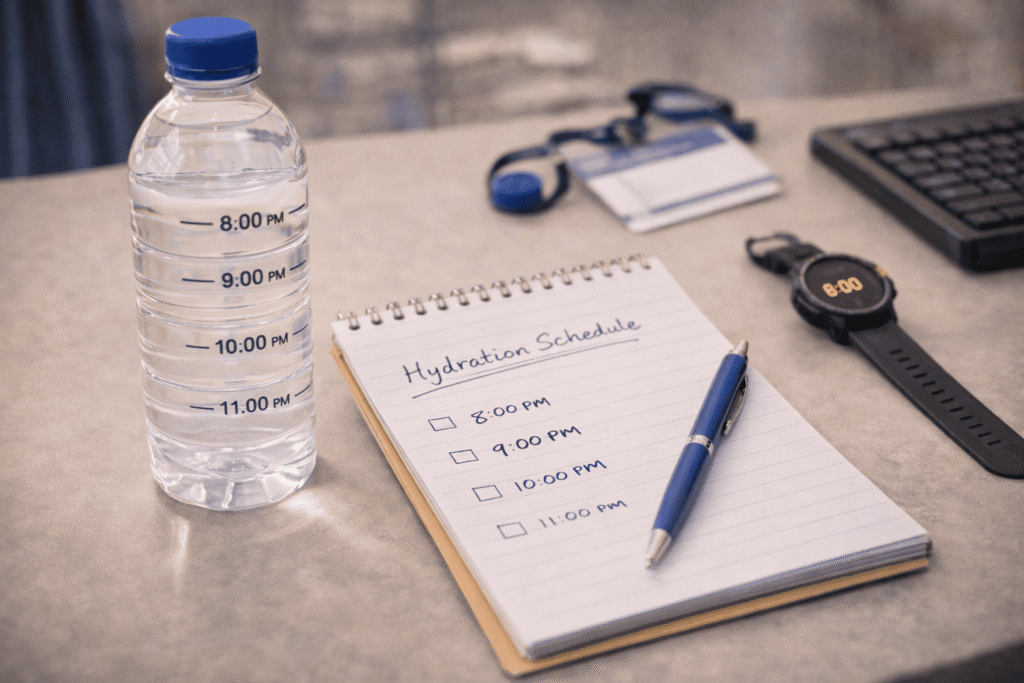
During Ramadan, “bolus drinking” the practice of guzzling down large quantities of water right before the dawn prayer, Suhoor, or at Iftar is one of the most frequent errors made by nurses. According to science, the human body can only process and absorb 200-300 milliliters of water every hour. When you consume a liter of water in five minutes, your kidneys immediately flush it out through urination because they perceive the abrupt volume rise as an excess. A few hours into your shift, this frequently causes you to feel thirsty once more.
You must strive for “steady-state” hydration if you want to keep hydrated. This entails drinking water continuously throughout the hours when you are not fasting. Having a specific water bottle and taking three to four drinks every fifteen to twenty minutes from sunset till bedtime is a decent rule of thumb. Instead of merely allowing the fluid to travel through your system, this gradual intake enables your cells to absorb it. This continuous rehydration during your “off” hours is important for midwives who may be in a lengthy labor room session because it keeps your blood volume steady, which is essential for preserving your own blood pressure and endurance while you help women in need.
Electrolytes: The Secret to Water Retention
A busy nurse frequently needs more than just water to stay hydrated, particularly if they are moving fast between patients or perspiring while wearing personal protective equipment (PPE). Inside your cells, electrolytes specifically, sodium, potassium, and magnesium act as “magnets” to hold water. You risk unintentionally lowering your body’s salt levels by drinking plain water without rehydrating your electrolytes. This disease is known as hyponatremia, and it can result in disorientation and muscle weakness, two things that are not affordable in a therapeutic context.
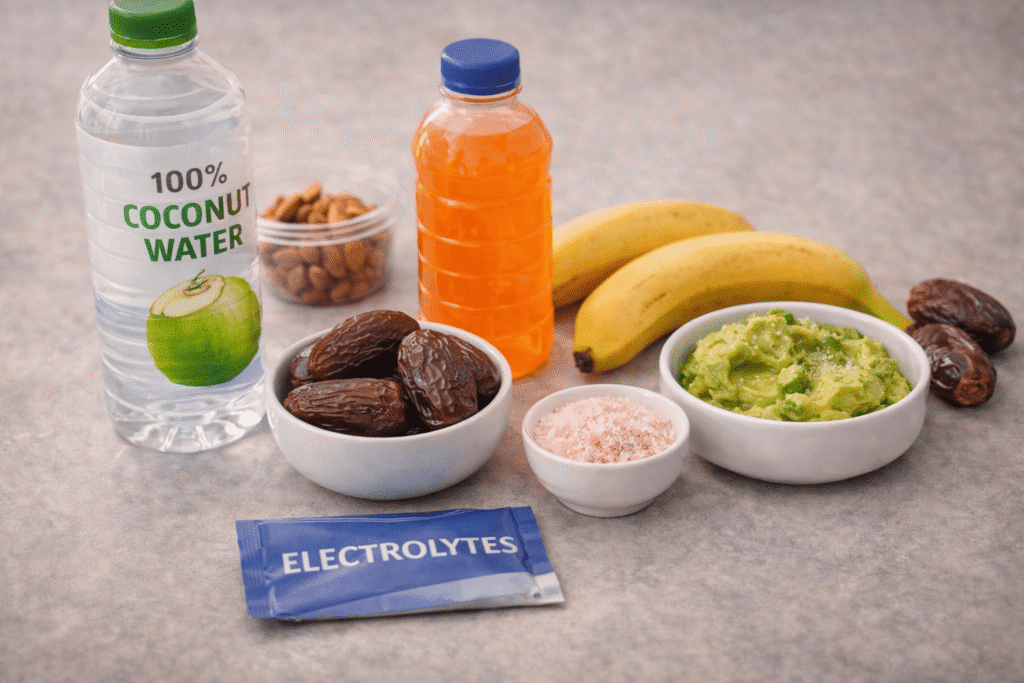
Incorporating natural electrolytes into meals should be a priority for nurses and midwives. For potassium during Suhoor, think about having a banana or sprinkling your avocado toast with a touch of sea salt. Dates are a great way to break your fast at Iftar because they include natural sugars and potassium, which helps your bloodstream absorb water more quickly. At night, you can also take coconut water or electrolyte supplements. By helping your body “grip” the water you consume, these additives prolong the hydration until the afternoon, when your thirst often peaks. Steer clear of highly processed sports drinks that include a lot of refined sugar because the “sugar crash” that follows may make you feel even more exhausted.
Hydrating Foods: Eating Your Water
In reality, food rather than merely liquids provides a substantial amount of our daily hydration. “Eating your water” is a game-changing tactic for nursing students and healthcare professionals who may not have the time to drink as much as they’d want. Since fiber slows down the absorption of water, it provides a “slow-release” hydration impact throughout the day. Many fruits and vegetables have over 90% water.
Give water-rich items like oranges, bell peppers, tomatoes, and cucumbers top priority at Suhoor. When combined with a protein, a salad containing these components functions similarly to a time-release water tablet. Another great choice for Iftar is watermelon, which has a high water content and lycopene, which helps the body rehydrate practically immediately. Yogurt at Suhoor is beneficial for midwives, who frequently work long shifts without breaks. In addition to being hydrating, yogurt also includes calcium and bacteria. Because of its thick viscosity, it stays in the stomach longer and releases its moisture content gradually as it breaks down. You are effectively creating a reservoir of hydration by selecting these foods, which will benefit you long after the sun has risen.
Managing the “Hospital Environment” Factors

It is well known that hospitals are dehydrating places. This causes “insensible water loss” the moisture you lose just by breathing and via your skin to rise since the air is frequently filtered and climate-controlled to be extremely dry. Additionally, the stress of patient care and the physical strain of walking miles throughout a shift can raise your metabolic rate, which accelerates the depletion of your water reserves. Because the air conditioning prevents them from perspiring, nurses frequently don’t realize they are getting dehydrated.
Nurses and midwives can fight this by using “sensory cooling.” During pauses, you can use a moist cloth to wipe your neck or wash your face with cool water to reduce body temperature even though you are not allowed to drink. Your body loses less moisture as a result of striving to stay cool. Additionally, be mindful of your “caffeine budget.” Although caffeine is a diuretic that promotes fluid loss, many healthcare professionals depend on coffee to stay alert. Try to keep your caffeine intake to one tiny cup at the start of Iftar, and make sure you have at least two glasses of water afterward. It’s also crucial to stay away from salty “nursing station snacks” like chips or pretzels, as excess sodium will trigger the thirst mechanism in your brain, making the final hours of your fast much more difficult.
Identifying and Acting on Dehydration Red Flags
It’s simple to overlook your own body’s signals in a hectic medical setting while concentrating on a patient’s monitoring. However, self-awareness is a safety need for a midwife or nurse who is fasting. “Brain fog,” which can result from clinical dehydration, raises the possibility of errors in clinical charting or drug dose. Before dehydration becomes a medical emergency for you, you must be able to identify its early warning signs.
A dry, sticky lips or “tension headache” are frequently the initial symptoms of dehydration. You didn’t drink enough the night before if you notice that your urine is really dark—like apple juice—during the night. More severe symptoms include feeling very agitated and disoriented, experiencing orthostatic hypotension, or experiencing dizziness while standing up. You must call for a colleague to take over if you are a midwife during a birth and you begin to feel dizzy. The “preservation of life” is the most important thing in Islam. Breaking your fast is both medically and religiously acceptable if your health is so compromised that you are unable to carry out your responsibilities safely. Taking care of yourself is what allows you to continue taking care of your community.
People Also Ask (FAQ)
Q: How much water should a nurse drink during the night in Ramadan?
A busy nurse should aim for 2.5 to 3 liters, while individual needs vary depending on body weight and activity level. Don’t try to consume all of this at once, though. Aim for roughly 250ml (one large glass) per hour when you are awake, spreading it out from Iftar to Suhoor.
Q: Will drinking tea at Suhoor help me stay hydrated?
Not always. Caffeine, an ingredient in traditional black or green tea, has a slight diuretic impact. Try herbal teas like chamomile, ginger, or peppermint if you like your beverages warm. They can help calm your stomach and add to your overall fluid intake because they don’t contain caffeine.
Q: Can I use rehydration salts (ORS) even if I’m not sick?
Indeed! During Ramadan, many healthcare professionals take electrolyte tablets or Oral Rehydration Salts (ORS) to assist their bodies retain water. These are particularly useful if you are wearing bulky protection gear or performing a high-intensity shift that involves a lot of movement.
Q: Is it better to drink cold or room-temperature water?
In actuality, the body absorbs room-temperature water a little quicker than ice-cold water. Room-temperature water is kinder on the stomach, especially when you are breaking your fast after several hours, even though cold water may feel more refreshing after a long day.
Q: How can I prevent the “thirst” feeling during my 12-hour shift?
Limiting sugar and salt at Suhoor is the best method to avoid thirst. A “thirst response” may result from high blood sugar levels when the body attempts to dilute the glucose. If at all possible, remain in cool parts of the hospital and eat meals that are high in protein and fiber.
Useful Documents for every Nursing Student
CV Section Template for Nursing students
AHPRA – NMBA Registration Document Checklist (International Students-Graduates)
Clinical Placement Reflection Template (NMBA-aligned)
Cover Letter Template for Nursing Students
Disclaimer: “I researched this information on the internet; please use it as a guide and also reach out to a professional for assistance and advice.This information is not medical advice, so seek your medical professional’s assistance.”