


Summary
For international nursing students, picking the best Australian location involves more than simply picking a reputable university; it also involves figuring out how much it will cost to live, travel, eat, and finish clinical placements. Major cities including Sydney, Melbourne, Brisbane, Perth, Adelaide, Hobart, Canberra, and smaller towns have very different cost of living.
With an emphasis on everyday expenses, student housing, transportation costs, and how these impact your placements and academic success, this book provides a straightforward, understandable, and comprehensive assessment of the cost of living by city.
Why the Cost of Living Matters for Nursing Students

Because nursing degrees need a lot of time, concentration, and hands-on training, living expenses have a significant impact on a nursing student’s life. Nursing students are required to attend lectures, labs, and numerous unpaid clinical placements, in contrast to other degrees where students might work many hours a week.
Placements usually take place for 2–6 weeks at hospitals, clinics, aged-care homes, and community health centres. During this time, students may:
- Travel long distances
- Buy uniforms, shoes, and equipment
- Work full-time shifts (8–12 hours)
- Have less time to work paid jobs
High living costs + unpaid placements can create financial stress.
And financial stress can affect:
- Focus in classes
- Performance during placement
- Mental health
- Sleep and energy level
That’s why choosing a city with manageable living expenses is important for academic success and overall wellbeing.
City-by-City Cost Comparison for Nursing Students (2026)
This section explains the overall cost of living in major Australian cities. The costs are averages and may vary depending on lifestyle, area, and personal choices.
A) Sydney – Most Expensive
Sydney is Australia’s most expensive city for international students.
Weekly Cost Estimate:
- Accommodation: $280–$420
- Food: $80–$140
- Transport: $35–$50
- Placement travel: high due to long distances
- Total weekly cost: $450–$650
Pros:
- Top hospitals (Royal Prince Alfred, St Vincent’s, Westmead)
- Many part-time job opportunities
Cons:
- Highest rent in Australia
- Long travel times
- More competition for placements
B) Melbourne – High but Balanced Costs
Melbourne is slightly cheaper than Sydney but still expensive.
Weekly Cost Estimate:
- Accommodation: $250–$380
- Food: $70–$120
- Transport: $30–$45
- Total weekly cost: $400–$550
Pros:
- Excellent universities and hospitals
- Great public transport
Cons:
- Rent still high
- Crowded student areas
C) Brisbane – Mid-Range Costs
Brisbane is more affordable than Sydney and Melbourne.
Weekly Cost Estimate:
- Accommodation: $220–$330
- Food: $60–$100
- Transport: $25–$35
- Total weekly cost: $330–$480
Pros:
- Warm weather
- Good student jobs
Cons:
- Fewer hospital networks compared to Sydney/Melbourne
D) Perth – Affordable & Growing Healthcare Sector
Perth is increasingly popular among nursing students due to lower living costs and strong health facilities.
Weekly Cost Estimate:
- Accommodation: $200–$320
- Food: $60–$100
- Transport: $25–$35
- Total weekly cost: $320–$470
Pros:
- Many regional benefits
- Lower rent
- High demand for nurses
Cons:
- Far from eastern states
E) Adelaide – One of the Cheapest Cities
Adelaide is known as one of Australia’s most affordable cities for international students.
Weekly Cost Estimate:
- Accommodation: $180–$300
- Food: $55–$100
- Transport: $20–$30
- Total weekly cost: $290–$430
Pros:
- Low rent
- Less crowded
- Great for focused study
Cons:
- Fewer large hospitals
F) Hobart – Low Cost and Quiet Environment
Perfect for students who prefer peace and nature.
Weekly Cost Estimate:
- Accommodation: $170–$280
- Food: $55–$90
- Transport: $20–$30
- Total weekly cost: $270–$400
Pros:
- Cheapest city
- Calm atmosphere
Cons:
- Limited hospitals
- Fewer part-time jobs
G) Canberra – High Rent but Low Transport Cost
Canberra is more expensive for accommodation but cheap for transport.
Weekly Cost Estimate:
- Accommodation: $240–$360
- Food: $70–$110
- Transport: $15–$25
- Total weekly cost: $340–$500
Pros:
- Safe
- Modern health facilities
Cons:
- Not many part-time job options
H) Regional Cities – Cheapest Option
Cities like Wollongong, Newcastle, Cairns, Townsville, Ballarat, Toowoomba, and Darwin offer low living costs.
Weekly Cost Estimate:
- Accommodation: $170–$280
- Food: $50–$90
- Transport: $15–$25
- Total weekly cost: $250–$380
Pros:
- Destination Australia scholarships
- Cheaper rent
- Easier placement availability
Cons:
- Limited entertainment options
Accommodation Costs for Nursing Students (City Breakdown)
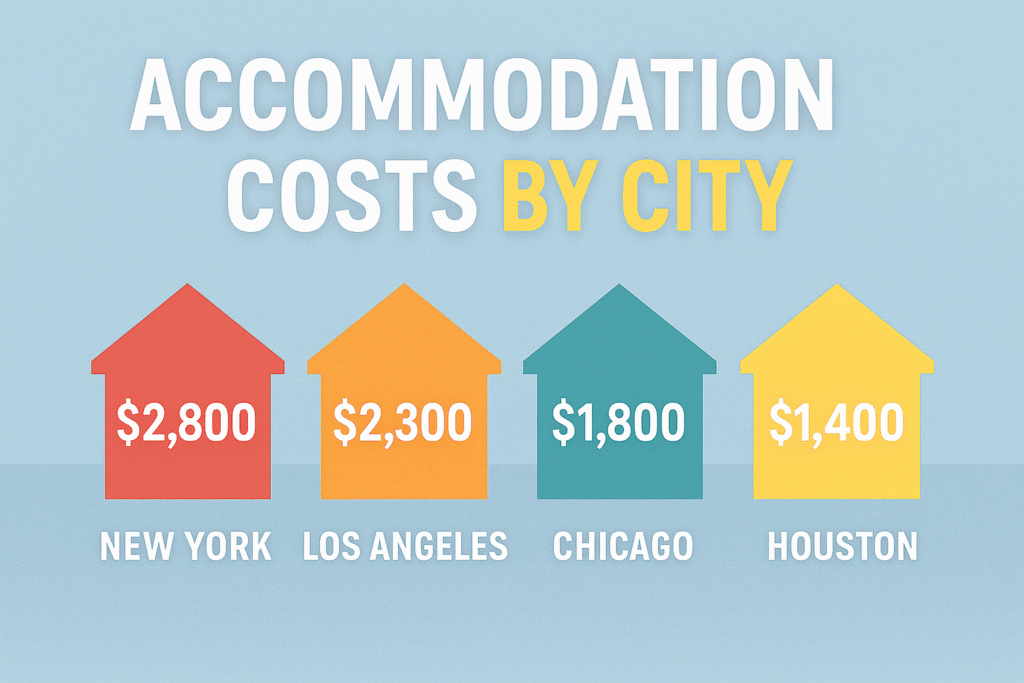
Accommodation is the biggest expense for international students. It usually makes up 40–60% of the total budget.
You can choose from:
- Shared house
- Student accommodation
- Homestay
- Studio apartment
- Regional housing
Below is a city-wise comparison.
Sydney
- Shared room: $250–$320
- Single room: $300–$450
- Studio: $450–$650
Melbourne
- Shared room: $220–$300
- Single room: $280–$400
- Studio: $380–$580
Perth
- Shared room: $180–$260
- Single room: $240–$340
- Studio: $300–$450
Adelaide
- Shared room: $170–$250
- Single room: $220–$320
- Studio: $280–$420
Hobart
- Shared room: $160–$240
- Single room: $200–$300
- Studio: $280–$400
Brisbane
- Shared room: $180–$260
- Single room: $230–$330
- Studio: $320–$450
Regional Areas
- Shared room: $150–$230
- Single room: $200–$280
- Studio: $250–$350
Accommodation Tip:
Sharing a house with other nursing students can reduce living expenses and improve study habits because everyone has similar schedules.
Food, Transport & Placement Costs by City
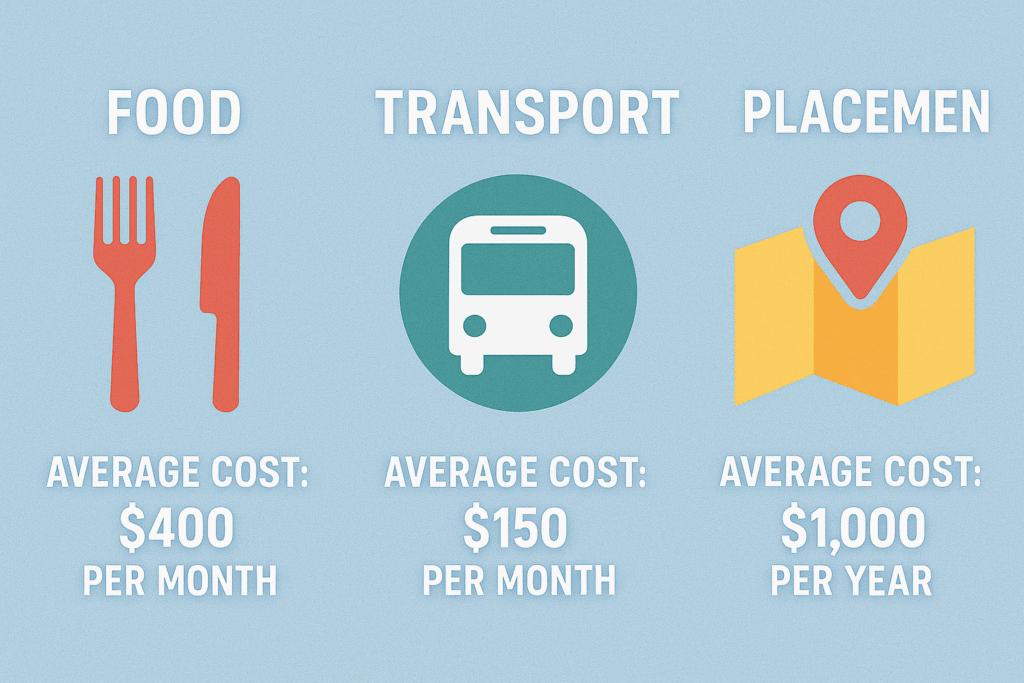
Apart from rent, nursing students spend money on groceries, travel, and specific placement-related expenses.
A) Food Costs
Weekly grocery estimate:
- Sydney: $90–$140
- Melbourne: $80–$120
- Brisbane: $60–$100
- Perth: $60–$100
- Adelaide: $55–$95
- Hobart: $55–$85
- Regional cities: $50–$90
Cooking at home can save students a lot of money compared to eating outside.
B) Transport Costs
Nursing students travel often to universities, hospitals, and clinics.
Weekly transport cost by city:
- Sydney: $35–$50
- Melbourne: $30–$45
- Brisbane: $25–$35
- Perth: $25–$35
- Adelaide: $20–$30
- Hobart: $20–$30
- Canberra: $15–$25
- Regional cities: $10–$25
Transport Tip:
Students should get concession cards if eligible; it reduces travel costs significantly.
C) Placement Costs
Placements require extra money for:
- Travel (bus, train, petrol)
- Uniforms and scrubs
- Shoes
- Equipment (stethoscope, watch, notebook)
- Food (placement shifts are long)
Average cost per placement rotation:
- Sydney: $350–$500
- Melbourne: $300–$450
- Perth: $250–$400
- Adelaide/Hobart: $200–$350
- Regional cities: $180–$300
These costs must be added to your budget to avoid stress during placements.
Which City Is Best for Nursing Students? Final Comparison

Here is a clear breakdown for easy decision-making.
Best for Low Cost
- Adelaide
- Hobart
- Perth
- Regional cities
Best for Top Hospitals & Career Growth
- Sydney
- Melbourne
Best for Balance of Cost + Good Facilities
- Brisbane
- Perth
Best for Placements Availability
- Regional cities
- Perth
- Brisbane
Best Overall for Nursing Students (Based on Cost + Quality)
- Perth
- Adelaide
- Brisbane
These cities offer:
- Affordable rent
- Good hospitals
- Easy transportation
- Calm environments
Nursing students learn better and perform better when they live in cities where the cost of living is manageable and stress is lower.
Conclusion
For international nursing students, it is crucial to comprehend the cost of living in various Australian cities. Although each location has its own advantages, the whole cost can have a significant impact on a student’s academic achievement, placement success, and mental health.
World-class hospitals are available in Sydney and Melbourne, but they are expensive. Quality learning settings and affordability are better balanced in Perth, Adelaide, and Brisbane. Regional cities are the most affordable and frequently offer excellent placement assistance.
Students who choose the correct city are more likely to thrive academically and professionally, manage their finances more effectively, and experience less stress.
People Also Ask
1. Which Australian city is cheapest for nursing students?
Adelaide, Hobart, and regional cities have the lowest overall living costs.
2. Is Sydney too expensive for international nursing students?
Yes. Sydney is the most expensive city, especially for rent and transport.
3. Which city is best for nursing placements in Australia?
Perth, Brisbane, and regional cities offer good placement availability.
4. How much does a nursing student need to live per week in Australia?
Most students spend between $300–$600 per week, depending on the city.
5. Does the cost of living affect nursing student performance?
Yes. Financial stress can affect focus, placement performance, and mental health.
Useful Documents for every Nursing Student
CV Section Template for Nursing students
AHPRA – NMBA Registration Document Checklist (International Students-Graduates)
Clinical Placement Reflection Template (NMBA-aligned)
Cover Letter Template for Nursing Students
Disclaimer: “I researched this information on the internet; please use it as a guide and also reach out to a professional for assistance and advice.This information is not medical advice, so seek your medical professional’s assistance.”