
For many Muslim mothers, the arrival of Ramadan is a time of spiritual reflection, community, and devotion. However, for those who are currently breastfeeding, the month can bring a significant amount of concern and many questions. Midwives are often the first point of contact for these mothers, providing the essential clinical and emotional support needed to navigate this delicate period. The central question usually revolves around whether fasting will affect the quantity or quality of breast milk and, ultimately, the health of the nursing infant.
Midwives emphasize that while Islam provides a clear exemption for breastfeeding women if they fear for their own health or that of their child, the decision to fast remains a deeply personal one. A midwife’s role is to provide evidence-based information, monitor the mother-infant dyad for signs of distress, and offer practical nutritional strategies. By understanding the biology of lactation and the importance of nocturnal rehydration, mothers can make informed choices that honor both their religious commitments and their maternal responsibilities.
1. Understanding the Biology of Lactation and Fasting
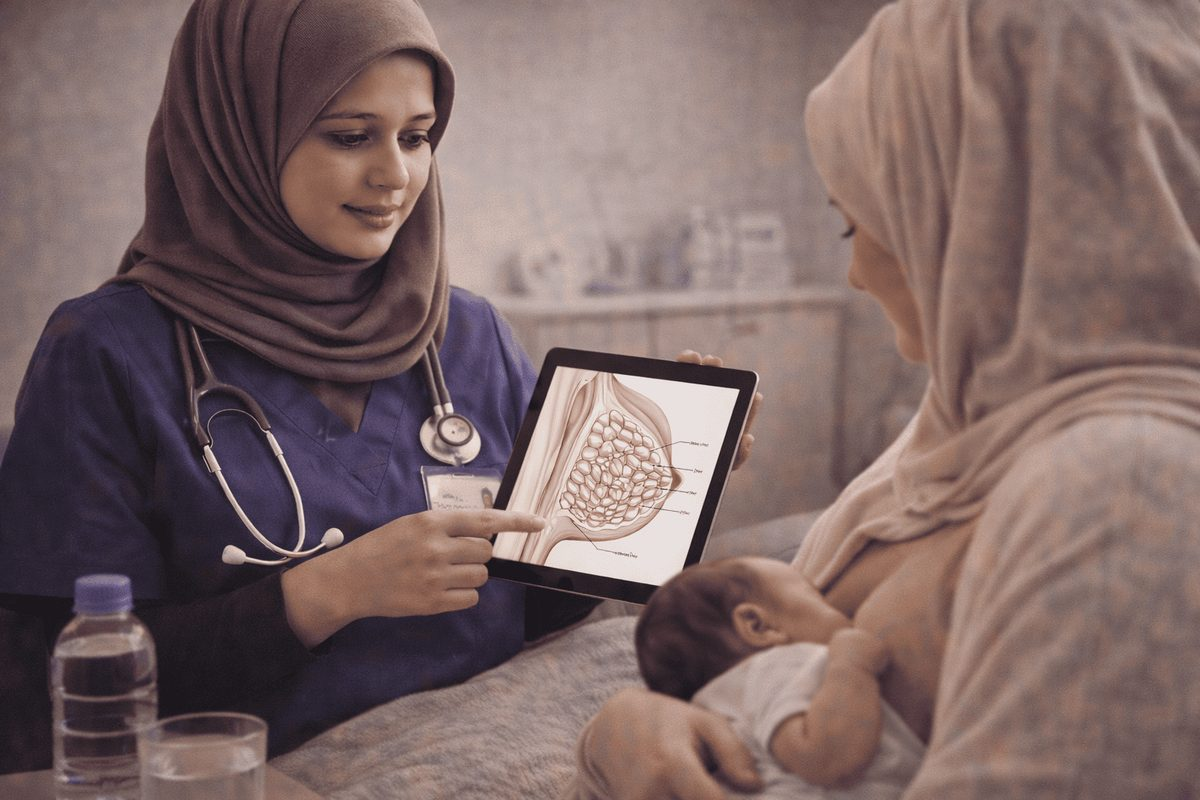
The most common fear among breastfeeding mothers is that their milk will "dry up" if they do not eat or drink during the day. Midwives educate mothers on the remarkable resilience of the human body. Breast milk is primarily produced from the mother’s blood and her body's internal nutrient stores. Research generally shows that the macronutrient composition of breast milk (protein, fat, and carbohydrates) remains relatively stable even during short-term fasting. The body is biologically programmed to prioritize the infant, pulling calcium, vitamins, and minerals from the mother’s own reserves to maintain the milk's nutritional integrity.
However, midwives point out that while the quality of the milk stays high, the volume can be affected by the mother's hydration status. Dehydration is the primary factor that can lead to a temporary dip in milk supply. When the mother's fluid levels are low, the "let-down" reflex may become slower, and the total amount of milk expressed or consumed by the baby may decrease toward the end of the fasting day. Midwives suggest that mothers monitor their babies closely for satisfaction after feeds. Understanding that the body is a "reservoir" rather than a "pipe" helps mothers realize that the nutrition they consume during the night is what fuels the production for the following day.
2. Identifying Signs of Dehydration and Infant Distress
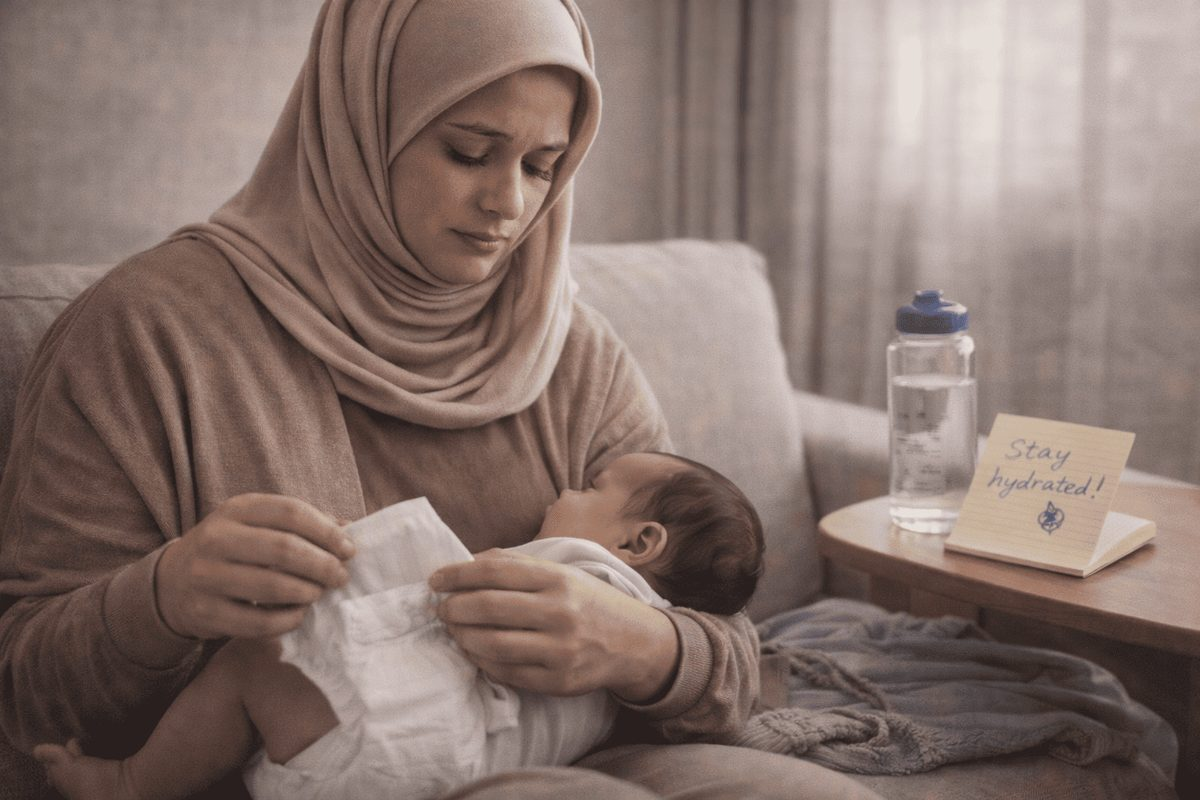
A critical part of midwifery guidance is teaching mothers how to be vigilant "clinical observers" of their own bodies and their babies. Since a breastfeeding mother is losing fluids through her milk while not taking any in, the risk of maternal dehydration is real. Midwives look for "Red Flags" in the mother, such as dark-colored urine, extreme thirst, dizziness, a persistent headache, or feeling faint. If a mother experiences these symptoms, it is a clinical sign that her body is no longer compensating for the fast, and she should break her fast immediately to protect her health.
Equally important is monitoring the baby’s wellbeing. Midwives teach mothers the "Wet Diaper Rule." A well-hydrated, well-fed baby should produce at least 6 to 8 heavy, wet diapers in a 24-hour period. If the baby’s urine becomes very dark, or if the baby becomes unusually lethargic, fussy, or has a dry mouth, these are signs that the baby may not be getting enough milk. Midwives recommend that if the baby’s behavior changes or if weight gain stalls during Ramadan, the mother should consider utilizing her religious exemption. Protecting the "vulnerable" is a core principle in both midwifery and Islamic ethics, and midwives play a vital role in reinforcing this balance.
3. Nutritional Strategies for the Non-Fasting Hours
When a mother chooses to fast while breastfeeding, her "eating window" between Iftar (sunset) and Suhoor (dawn) must be managed with high efficiency. Midwives recommend a diet focused on "nutrient density" rather than "calorie quantity." At Iftar, the meal should begin with hydrating fluids and dates to provide an immediate glucose boost for the brain. This should be followed by a balanced meal rich in lean proteins (like chicken or lentils) and healthy fats (like avocado or olive oil), which are essential for the fat content of the breast milk.
At Suhoor, the focus shifts to "Long-Release Energy" and "Galactagogues"—foods that are traditionally believed to support milk production. Midwives often suggest a large bowl of oats, which are high in iron and fiber, or snacks containing fenugreek, flaxseeds, and almonds. These foods help maintain a steady blood sugar level throughout the day. Crucially, hydration must be "pulsed." Instead of drinking two liters of water all at once at Suhoor, which the body will quickly flush out, midwives recommend sipping small amounts of water or electrolyte-rich drinks (like coconut water) consistently throughout the night. This ensures that the mother’s tissues are fully saturated before the fast begins again.
4. Managing Energy and the Importance of Rest
Breastfeeding is a physically demanding process that consumes a significant amount of energy—roughly 500 to 700 extra calories per day. When this is combined with fasting and the typical sleep disruptions of Ramadan (waking up for Suhoor and night prayers), maternal fatigue can become a major issue. Midwives emphasize that high stress and extreme exhaustion can inhibit the hormone oxytocin, which is responsible for the milk let-down reflex. Therefore, "Rest as Worship" is a key piece of advice given by midwives.
Midwives encourage mothers to utilize the "Nap when the baby naps" rule even more strictly during Ramadan. During the daylight hours, physical activity should be kept to a minimum to conserve energy and reduce fluid loss through sweat. If a mother is also working or caring for other children, midwives suggest asking for help with household chores so the mother can focus her limited energy on her baby and her spiritual needs. A calm, rested mother is much more likely to maintain a healthy milk supply than one who is pushing herself to the point of burnout. Midwives advocate for the mother's wellbeing as the foundation for the baby's health.
+1
5. Navigating the Spiritual and Emotional Journey
The emotional aspect of breastfeeding during Ramadan is often overlooked. Many mothers feel "spiritual guilt" if they choose not to fast, feeling as though they are missing out on the rewards of the month. Midwives provide essential "emotional midwifery" by reframing the act of breastfeeding itself as a high form of worship. In Islam, the sacrifice a mother makes to nourish her child is deeply honored. Midwives remind mothers that by choosing to eat and drink to ensure their baby's health, they are actually following a divine permission (Rukhsah) and fulfilling their maternal duty.
For mothers who do choose to fast, midwives recommend finding "micro-spiritual" moments. This could be reciting prayers while nursing or listening to the Quran during the day. If a mother finds she cannot fast every day, midwives suggest a "flexible fasting" approach—fasting every other day or only on weekends when she has more support. This "harm reduction" model allows the mother to participate in the month without feeling overwhelmed. By providing a non-judgmental space for these conversations, midwives help mothers navigate the intersection of faith and physiology with confidence and peace.
Frequently Asked Questions
Q: Does fasting make my breast milk less nutritious for my baby? A: Midwives explain that the quality of your milk stays very high because your body will take nutrients from your own stores to protect the baby. However, you might feel more tired because your own nutrient levels (like calcium or iron) are being depleted.
Q: Can I use a breast pump to check if my milk supply is dropping? A: Midwives caution that a pump is not always an accurate measure of supply, as some women don't respond well to pumps even when they have plenty of milk. The best way to check is by monitoring your baby’s wet diapers and their general contentment after a feed.
Q: Is it okay to drink tea or coffee during the night to stay awake? A: Midwives recommend limiting caffeine. Caffeine is a diuretic, which means it will make you lose fluids faster and could make you more dehydrated the next day. It can also pass into your breast milk and make your baby fussy or have trouble sleeping.
Q: What is the best way to rehydrate at Iftar? A: Start with water and dates, followed by a hydrating soup or coconut water. Avoid sugary sodas, as they can cause a blood sugar crash and don't provide the electrolytes your body needs to replenish your milk supply.
Q: I noticed my baby is extra fussy in the late afternoon. Is this because of my fast? A: It could be. Your milk flow might be slower in the late afternoon if you are dehydrated. Midwives suggest skin-to-skin contact and offering more frequent, shorter feeds during the evening once you have started hydrating again to help boost your supply.