
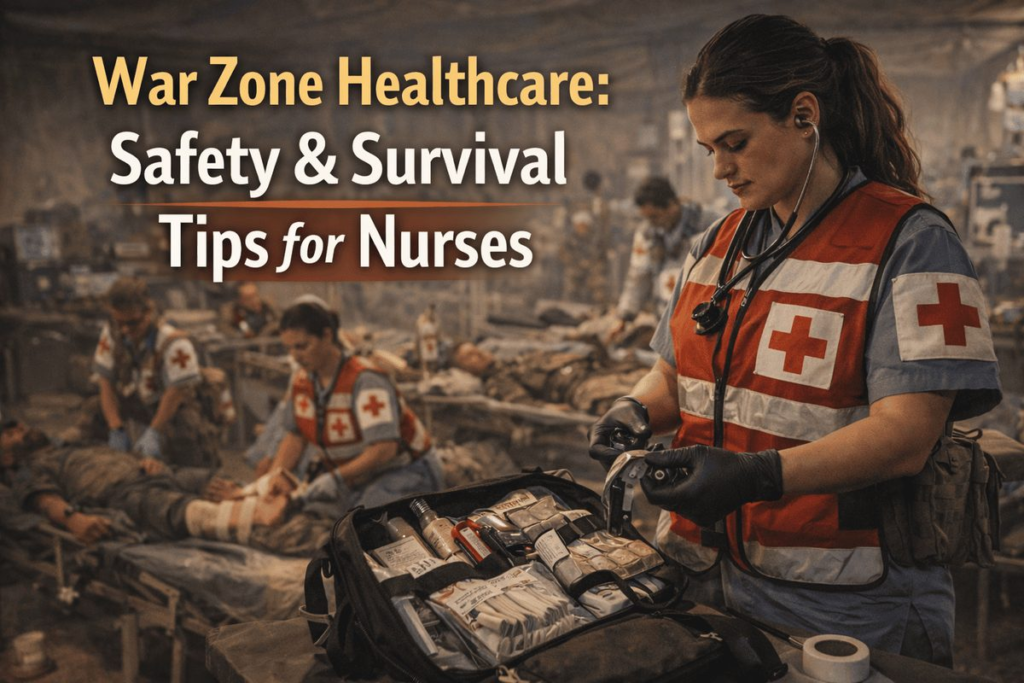
In the realm of modern medicine, few environments are as taxing—physically, mentally, and ethically—as a war zone. For nurses, doctors, and nursing students, transitioning from a peaceful, resource-rich hospital to a conflict-driven healthcare setting requires a complete shift in operational strategy. In these high-intensity areas, the goal of healthcare moves from "optimal wellness" to "maximum survival." You are no longer just a clinician; you are a frontline responder operating under the constant threat of shelling, power outages, and broken supply chains.
Survival in wartime nursing depends on a combination of tactical clinical skills and extreme situational awareness. Whether you are volunteering with a humanitarian organization or working in your home country during an armed conflict, your ability to stay safe is the only way you can continue to save others. This article serves as a comprehensive guide for medical staff to navigate the dangers of a war zone, maintain their professional integrity, and manage the overwhelming influx of trauma patients with limited resources.
1. Situational Awareness and the "Hardened Facility" Protocol
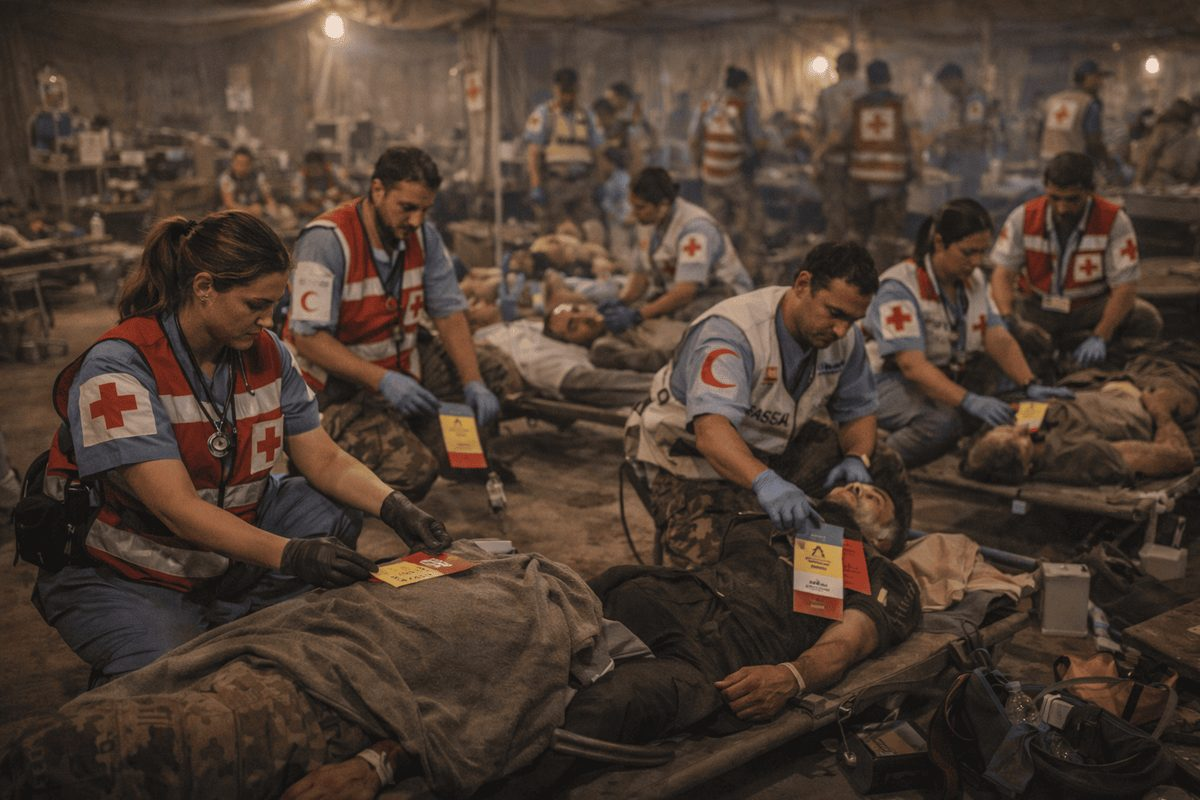
Personal safety is the foundation of healthcare in a conflict zone. Under International Humanitarian Law, specifically the Geneva Conventions, hospitals and medical staff are granted "protected status." However, in modern asymmetric warfare, this protection is often ignored. Therefore, nurses must master "Situational Awareness." This means constantly monitoring the environment for shifts in the frontlines, the sound of incoming artillery, or the presence of unidentified armed groups. You must know the "safe routes" to and from your facility and have a pre-planned "emergency exit" strategy for every ward you work in.
Inside the hospital, staff must implement "Hardened Facility" protocols. This involves moving patient beds away from windows to prevent injuries from shattered glass and blast waves. In the event of active bombardment, "Basement Medicine" becomes the standard, where surgical suites and recovery wards are moved to the lowest, most reinforced levels of the building. Furthermore, nurses should always wear clear medical identification, such as a high-visibility vest or an armband with a recognized medical symbol. Remember: you cannot provide life-saving care if you become a casualty yourself. Protecting your "Physical Perimeter" is your first clinical duty.
2. Mass Casualty Triage: The Ethics of Scarcity
In a war zone, the number of injured patients arriving at once—often referred to as a Mass Casualty Incident (MCI)—will almost always exceed the number of available staff and supplies. In these moments, standard nursing practice must be replaced by Wartime Triage. This is the process of sorting patients based on their urgency and their likelihood of survival given the current resources. It is perhaps the most difficult skill for a nursing student to learn because it involves the "Ethics of Scarcity."
Nurses typically use the START (Simple Triage and Rapid Treatment) method. Patients are tagged with colors: Green (minor injuries), Yellow (delayed but serious), Red (immediate life-threat), and Black (expectant/deceased). In a crisis, if you have ten patients and only one oxygen tank, the "Red Tag" patient with the highest chance of survival receives it. "Black Tagging" a patient who is still alive but whose injuries are too severe to treat in a resource-limited setting is a heavy emotional burden. However, efficient triage prevents the total collapse of the medical team and ensures that limited resources—like blood products and sterile bandages—are used where they can save the most lives.
3. Tactical Trauma Care: Master of Hemorrhage Control
The primary cause of death in conflict zones is uncontrolled bleeding (hemorrhage). Whether caused by shrapnel, gunshot wounds, or building collapses, a nurse must be an expert in "Tactical Trauma Care." This goes beyond standard first aid. You must be able to apply a Combat Application Tourniquet (CAT) in the dark, under stress, and often with limited assistance. In wartime, a tourniquet is not a "last resort"; it is a first-line intervention to prevent a patient from bleeding out in minutes.
Nurses should follow the MARCH protocol (Massive Hemorrhage, Airway, Respiration, Circulation, Head/Hypothermia). Beyond tourniquets, "Wound Packing" with hemostatic gauze is a vital skill for injuries in the groin or neck where a tourniquet cannot reach. Additionally, blast injuries often cause "Blast Lung" or internal organ damage that isn't immediately visible. Nurses must remain vigilant for signs of "Internal Hemorrhage" or "Tension Pneumothorax" (a collapsed lung causing heart pressure). By mastering these manual, high-speed clinical skills, you provide a "Safety Net" for trauma victims before they can reach a surgical theater.
4. Resourcefulness and Improvised Medical Support
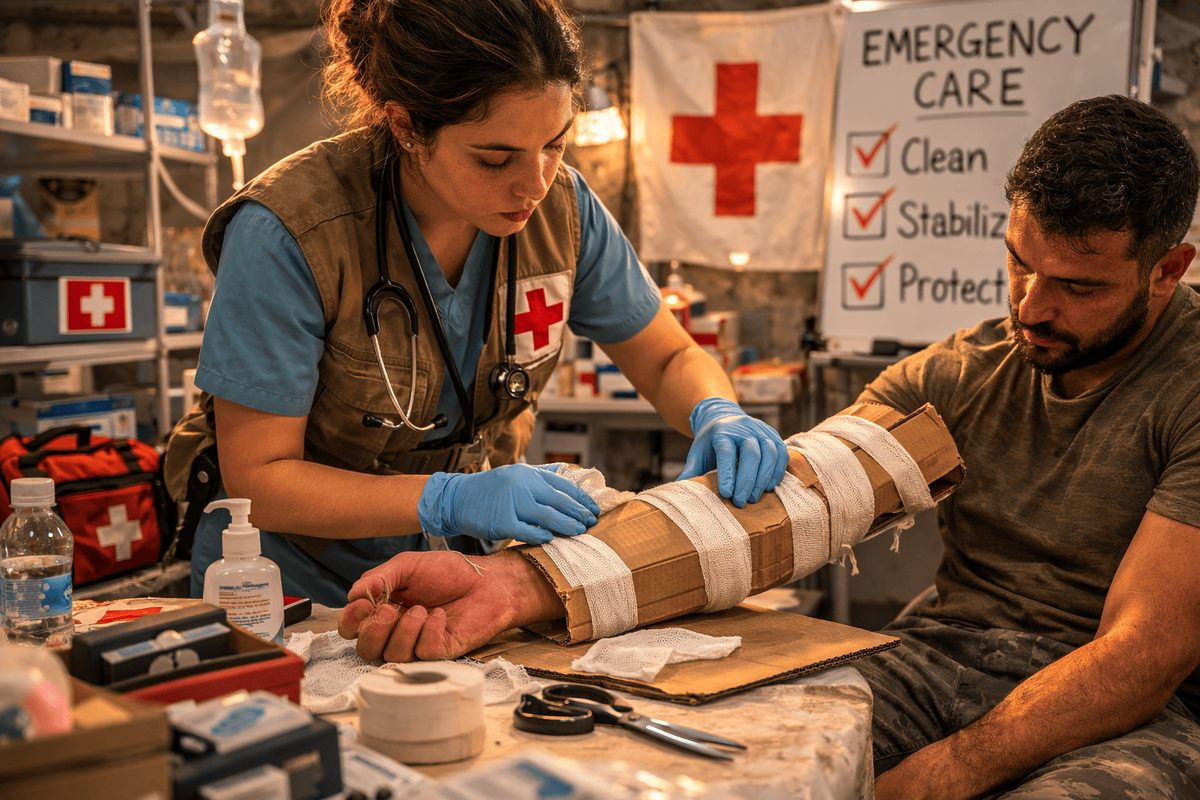
Supply chains are the first thing to break during a war. You may run out of sterile drapes, splints, or even specialized medications like antibiotics. A "War Zone Nurse" must be highly resourceful, practicing what is often called "Improvised Medicine." This is the ability to use everyday materials to perform essential clinical functions without compromising the basic principles of hygiene and safety.
For example, cardboard or wooden planks can be used to create "Improvised Splints" to stabilize fractures and prevent further tissue damage. Plastic packaging from medical supplies can be used to create "Occlusive Dressings" for sucking chest wounds. In areas with no running water, nurses must prioritize "Dry Hygiene" and the judicial use of hand sanitizers. If electricity fails, "Manual Ventilation" (using an Ambu-bag) becomes a 24-hour task for the nursing staff. Being resourceful ensures that the hospital remains a "Healing Zone" even when it is cut off from the rest of the world.
5. Psychological Resilience and Peer Support
The "invisible wounds" of war affect the medical staff just as much as the patients. Witnessing mass casualties, working under fire, and making difficult ethical decisions leads to a high risk of Secondary Traumatic Stress and Moral Injury. Burnout in a war zone is not just about being tired; it is a state of emotional depletion that can lead to clinical errors. To survive, nurses must prioritize "Psychological Resilience."
This involves the "Buddy System," where two nurses look out for each other’s mental state, ensuring that each person eats, drinks water, and takes brief "Micro-Naps" when the situation allows. Practicing "Psychological First Aid" for yourself and your colleagues—focusing on immediate needs and stabilizing emotions—is essential. You must acknowledge that the environment is "abnormal," and your reactions to it are "normal." By supporting each other’s mental health, the medical team stays cohesive and continues to function as a unified, life-saving force.
Frequently Asked Questions
Q: Are healthcare workers targeted in wars?
A: Under international law, they are protected. However, in many modern conflicts, healthcare facilities are unfortunately hit by "collateral damage" or intentional strikes. This is why "Hardening" your facility and staying away from windows is a vital survival tip.
Q: Can I refuse to treat an enemy combatant?
A: No. The Nursing Code of Ethics and the Geneva Conventions require medical staff to treat all wounded people based on clinical need alone. An injured person, regardless of their side, is a patient first.
Q: What should I keep in my "Personal Survival Kit" on the ward?
A: Every nurse in a war zone should carry a "Go-Bag" containing: two tourniquets, trauma shears, a headlamp with extra batteries, a permanent marker, a personal water filter, and a high-calorie protein bar.
Q: How do I handle "Moral Injury" after the conflict ends?
A: Moral injury comes from making hard choices (like triage). It is important to talk to professional counselors or peer support groups who understand wartime nursing. You must remind yourself that you did the "Greatest Good" possible with the resources you had.
Q: Can nursing students volunteer in conflict zones?
A: Many humanitarian groups accept students for support roles (triage assistance, wound care, documentation). It is a high-risk environment, so students should only go with reputable organizations that provide safety training and "Protected Status" identification.